
Section 12. Thematic reviews
12.4. Desertification: Global and Regional Trends and Actions
Обзор подготовлен М. Валиевой (НИЦ МКВК)
Desertification is one of today’s most critical and multifaceted challenges, affecting the environmental, socio-economic, and political dimensions of sustainable development. The term describes the process of land degradation that leads to desert-like conditions, resulting in the decline or loss of biological and economic productivity. This threat is most acute for rainfed and irrigated croplands, pastures, meadows, forests, and woodlands. Degradation results from many factors, including land use and management practices (UNCCD, 2024).
Central Asia is one of the world's most vulnerable regions to desertification. Here, an arid climate intersects with large-scale landscape transformations - most notably the drying of the Aral Sea - alongside a heavy economic reliance on irrigated agriculture and pastoralism. These challenges are compounded by limited water resources and accelerating soil salinization. Together, these factors are driving the degradation of natural ecosystems and posing significant risks to sustainable development.
In 2024, global attention on desertification reached a new peak with the 16th session of the Conference of the Parties to the UN Convention to Combat Desertification and the 30th anniversary of the Convention. Simultaneously, Central Asian nations ramped up collective efforts to preserve and restore their lands.
This review summarizes the milestone events of 2024, global trends, and regional initiatives. It examines the primary drivers of land degradation, explores key policy shifts and major projects, and offers practical recommendations for preventing and mitigating the impacts of desertification in Central Asia.
1. Drivers of desertification, global trends and challenges
Desertification results from the cumulative impact of natural and anthropogenic factors, which together undermine the stability of ecosystems and economic activities.
Among the
Socio-economic drivers also create a ‘fertile ground’ for deeper land degradation. Population growth and demographic pressures intensify the strain on natural resources. Furthermore, inadequate infrastructure, the inefficient management of land and water, and a lack of long-term sustainable development strategies increase the vulnerability of these regions.
Given these factors, global trends are beginning to take shape. According to Global Land Outlook, approximately 1 million km2 of lands are becoming degraded every year, 40% of land is already degraded, and, if current trends persist, up to 1.6 billion ha could lose productivity by 2050. The resulting economic fallout from land degradation could approach $44 trillion, or roughly half of global GDP (UNCCD, 2022, 2nd edition).
Degradation manifests in several key ways, with soil salinization posing a particularly acute threat. Affecting approximately 1.4 billion ha (10% of the Earth's land surface), salinization puts an additional 1 billion ha at risk (FAO, 2024). This process can slash crop yields by up to 70% across both irrigated and rainfed lands. Major agricultural hubs are especially vulnerable, including China, the USA, Russia, Australia, and Argentina, alongside Iran, Sudan, and Central Asian nations such as Afghanistan, Uzbekistan, and Kazakhstan. If current trends persist, saline-affected areas could encompass one-third of all land by the end of the century.
Aridification represents an equally critical challenge. Unlike temporary droughts, aridification is often irreversible; approximately 7.6% of global territories have already crossed the aridity threshold, permanently losing their historical climatic characteristics. Over the last three decades, 77.6% of land has become increasingly dry, with drylands expanding by 4.3 million km2 to cover 40.6% of the Earth’s ice-free surface (UNCCD, 2024). In 2020, 30% of the global population (2.3 billion people) lived in arid regions, up from 22.5% in 1990 (UNCCD, 2022). By 2100, the convergence of aridification, water scarcity, and soil degradation could threaten the quality of life, food security, and stability of up to 5 billion people, potentially driving large-scale forced migration (UNCCD, 2024).
A primary manifestation of this desertification is the surging frequency of extreme droughts (Fig.1).
At the same time, 2 million tons of sand and dust enters the atmosphere every year. This impacts nearly 3.8 billion people and alters regional climate and ecological balances (WMO, 2025). Unsustainable agricultural practices continue to drive this degradation: over-tillage and monocropping, which contribute to 80% of forest and soil loss. Furthermore, the Earth's ecosystems are losing their ability to absorb carbon (IPCC, 2023).
The aforementioned processes give rise to the key challenges of our time. First and foremost, food security is under threat: degraded and salinized soils lose productivity, which constrains agricultural capacity. The crisis of water security is also intensifying; deteriorating quality and dwindling availability have become critical bottlenecks for millions of people and entire economic sectors. As ecological sustainability erodes, ecosystems are losing both their biodiversity and their inherent capacity to maintain a natural balance. Consequently, social risks are escalating as competition for dwindling resources intensifies. This is driving a rise in forced migration while deepening poverty and instability in the world's most vulnerable regions. Finally, the synergy between aridification and dust storms poses a grave climatic threat, further exacerbating global warming and increasing the frequency of extreme weather events.
Ultimately, desertification is far more than a localized environmental issue; it is a multi-dimensional challenge that fundamentally threatens global food, water, social, and climate security.
2. International agenda: the United Nations Convention to Combat Desertification and Outcomes of COP16
The UN Convention to Combat Desertification
The key international legal instrument in the field of preventing land degradation is the United Nations Convention to Combat Desertification (UNCCD) adopted in 1994. The Convention's primary mandate is to combat desertification and mitigate the effects of drought through effective action at all levels, supported by international cooperation and partnership arrangements, in a framework of an integrated approach combining the environmental, social, and economic aspects of sustainable development (Article 2).
Parties to the Convention have committed to developing and implementing national, subregional, and regional action programs aimed at preventing and reducing land degradation, rehabilitating affected areas, and adapting to drought (Article 9). Affected countries are obligated to prioritize combating desertification within national planning, ensure the participation of local populations (especially women and youth), and take into consideration traditional knowledge (Article 5). Developed countries, in turn, commit to providing financial and technical support, including the transfer of relevant technologies and knowledge (Article 6). As of January 1, 2025, the Convention has 197 Parties, including all Central Asian countries.
Parties to the Convention submit national reports to the UNCCD Secretariat. These reports serve both as a tool for monitoring the implementation of international commitments and as a basis for planning environmental measures at the national level, providing the necessary analysis and data for timely decision-making. As of January 1, 2025, Central Asian countries have each prepared 8 national reports (the Republic of Tajikistan – 6). These documents cover the period 2018–2022 and provide an overview of the results of implementing land degradation countermeasures, including progress towards achieving voluntary national targets for Land Degradation Neutrality (LDN) by 2030, as well as the implementation of national action programs to combat desertification.
16th Session of the Conference of the Parties
In 2024, the flagship event in the field of combating land degradation was the 16th session of the Conference of the Parties to the UNCCD (COP16), held on December 2–13 in Riyadh, Saudi Arabia, under the motto "Our Land. Our Future." The Conference was attended by representatives from all 197 Parties to the Convention, with the total number of participants exceeding 20,000. Key agenda items included enhancing resilience to droughts and dust storms, restoring degraded lands, mobilizing financial resources, and strengthening the political status of sustainable land management measures.
COP16 outcomes
• Political commitments. Countries agreed to give higher priority to land restoration and drought adaptation measures by integrating them into national strategies and development programs.
• Mobilization of financial resources. Participants announced the allocation of over $12 billion for projects to combat desertification, land degradation, and drought worldwide, primarily in Africa and Asia. However, the global financing gap through 2030 is estimated at no less than $2.6 trillion (approximately $1 billion per day).
• Role of the private sector. The Business for Land (B4L) initiative was reaffirmed - a partnership with major corporations in the agricultural, energy, and financial sectors aimed at restoring 1.5 billion ha of degraded land by 2030 and achieving global Land Degradation Neutrality (LDN), thereby fulfilling the central goal of the UN Decade on Ecosystem Restoration.
• Regional initiatives. Central Asia was represented as a unified bloc at COP16, with a consolidated regional position presented by the delegation of Kazakhstan. Notably, for the first time in 29 years of participation, Uzbekistan successfully secured the inclusion of its initiative within the official COP decisions: the Samarkand Declaration on Sand and Dust Storms was endorsed and opened for accession by all Parties. The document formalizes the necessity of international coordination in monitoring and forecasting storms, exchanging scientific data, and integrating SDS management into national sustainable development and climate adaptation strategies.
22024 – the 30th Anniversary of the Convention
Annually on June 17, the global community observes the World Day to Combat Desertification and Drought established to commemorate the signing of the Convention in 1994. The 2024 anniversary events, held in Bonn, Germany - home to the UNCCD Secretariat - were the largest in recent years. The German Government hosted a high-level international conference featuring world leaders, heads of UN agencies, scientists, and representatives from civil society and youth organizations.
Under the theme "United for Land: Our Heritage. Our Future," the 2024 observance focused on mobilizing all sectors of society to preserve and restore land resources. Participants emphasized the urgency of accelerating sustainable land-use practices and raising public awareness regarding the scale of desertification. A particular focus was placed on youth engagement: according to UNCCD estimates, involving young people in land restoration could create up to 600 million jobs over the next 15 years, simultaneously addressing global employment challenges and environmental rehabilitation.
3. International experience in restoring degraded lands
In 2024, the international community accelerated the implementation of large-scale projects designed to halt desertification and restore degraded ecosystems.
One of the most prominent examples is China’s Three-North Shelter Forest Program. Launched in 1978, it is the world’s largest afforestation initiative, aimed at shielding territories from sand and dust storms. Over 45 years, an extensive forest belt - comparable in length to the Great Wall of China - has been established, significantly curbing desertification across several provinces. However, the project faces ecological hurdles: certain plantations are water-intensive or struggle with poor soil quality, while deforestation for agricultural expansion persists. Despite these challenges, China aims to triple its protective forest cover to 4 million km2 by 2050.
The Great Green Wall initiative unites 22 African nations in a joint effort to halt the expansion of the Sahara Desert, which consumes vast tracts of fertile land annually (UNCCD, 2024). Degradation here is driven by a combination of climatic factors, such as drought, and anthropogenic pressures, including deforestation, slash-and-burn agriculture, and overgrazing. Since 2012, approximately 30 million ha have been restored toward a target of 100 million ha by 2030. While financial and logistical obstacles remain, the project is a cornerstone of the region’s sustainable development strategy.
A significant example in the post-Soviet space is the Phytomelioration Program in Kalmykia. In the late 20th century, massive land plowing and a shift to intensive sheep farming led to the creation of a man-made desert. Though degraded land was successfully reduced from 600,000 to 240,000 ha through targeted conservation, degradation has accelerated again since the 2000s. This resurgence highlights the critical need for long-term institutional mechanisms to sustain restoration gains.
Beyond afforestation, technological and agrotechnical solutions are becoming increasingly widespread. Drip irrigation, pioneered in Israel, delivers water directly to plant roots to minimize evaporation. This technology enabled Israel - more than half of which is covered by the Negev Desert - to build a competitive agricultural sector that exports globally. Today, Israeli firms supply these systems to over 100 nations, proving that innovation can revolutionize farming in water-scarce regions.
A particularly promising frontier is carbon farming, which focuses on sequestering organic matter to restore soil fertility. This approach boosts crop yields and improves moisture retention while reducing the need for chemical fertilizers and lowering greenhouse gas emissions. Experts suggest that adopting sustainable carbon farming practices is essential not only for land restoration but also for climate change mitigation.
4. Regional dynamics: combatting land degradation in CA
In Central Asia, the convergence of harsh environmental conditions and intense human activity has made land degradation a critical concern. The region’s landscapes are inherently fragile: bulk of the region’s territory is occupied by desert and semidesert areas, namely the Karakum Desert, the Kyzylkum Desert, the Ustyurt Plateau and the new Aralkum Desert formed in place of the dried Aral Sea. The key drivers of degradation are overgrazing of pastures, inefficient land and water use, deforestation, and climate change (UNCCD, 2023). According to the UN data, as of 2019, over 20% of the total region’s area is degraded, equivalent to roughly 80 million ha, an area almost four times the size of the Kyrgyz Republic (Table 1, Fig. 5).
Between 2015 and 2019, degraded land areas remained relatively stable overall; while Kazakhstan and Turkmenistan saw marginal increases, Kyrgyzstan reported a 1.03% decrease. While Uzbekistan reported the highest proportion of degraded land in the region, it also saw the largest decrease from 30% to 26% compared to 2015.
18.01 million people (30.51% of the region’s total population) in Central Asia are reported to be exposed to land degradation, while 26.7 million people (51.3%) are exposed to drought. The percentage of population exposed to land degradation varies from 29.2% in Uzbekistan (9.3 million people) to 35.5% in Kyrgyzstan (1.9 million people). In turn, the percentage of population exposed to drought varies from 20.75% in Turkmenistan (1.67 million people) to 88.71% in Kyrgyzstan (4.74 million people) (Table 2).
About 60% of CA’s population is directly dependent on agriculture as the primary source of income, therefore droughts pose a serious threat to the economic security of the majority of the region’s population. Around 12 million people live in areas with high drought risk (about 40 million ha). Most of these hotspots are located in the foothill areas of the source of the Amu Darya and Syr Darya deltas, extending to the transboundary areas of the Aral Sea region.
More than 80% of 400 million ha of CA is covered by deserts and steppes. Combined with climate change and repeated droughts, this makes the region a natural source of sand and dust storms (SDS). Nearly 6.5 million people (about 9% of the region’s population) live in SDS medium- and high-risk areas. SDS are often transnational. Research shows that salts from the Aral Sea region are being detected along the coast of the Antarctic, on glaciers in Greenland, in Norwegian woods and other regions around the globe.
Recognizing the scale of the challenge, all five Central Asian nations have prioritized combating desertification and have joined the land degradation neutrality (LDN) target-setting program, pledging to restore degraded lands by 2030. Per UNCCD, 2023, half of the LDN targets set by countries have already been achieved or currently underway. Key measures include reforestation projects, the modernization of irrigation systems, and soil conservation efforts.
As the region’s largest country, Kazakhstan prioritizes the sustainable management of its vast steppe and desert landscapes. Under its Concept for Transition to a Green Economy, the country emphasizes resource stewardship and 'green' agricultural principles. Key objectives include restoring disturbed lands, halting pasture withdrawal, and optimizing water and other natural resource use. Kazakhstan’s Ecological Code classifies the “reduction of land degradation and desertification” as a mandatory environmental quality indicator. This is supported by five-year regional action plans subject to state-level oversight. Furthermore, the 2021–2030 Agro-Industrial Development Concept addresses critical pasture degradation through science-based analysis and targeted anti-erosion measures.
Kyrgyzstan faces significant degradation of its mountain pastures and forest ecosystems. With international support, the country is implementing sustainable pasture management systems. According to UN, approximately 120,000 ha of pastures and forests are under resilient use. These efforts include seasonal grazing rotations, reforestation of fire-damaged areas, and slope stabilization through tree planting. The Law on the Protection of Soil Fertility of Agricultural Land, mandate soil conservation and establish robust monitoring systems. These initiatives align with the Concept of Environmental Security until 2040, which sets long-term ecological goals, supported by a Phase I Action Plan (2025–2029).
As the region’s most mountainous nation, Tajikistan faces acute desertification challenges in its arid southern and western foothills. According to UNECE, the country restored 7,315 ha of forest between 2009 and 2018, with an ambitious target to add 66,000 ha by 2030 through a mix of active planting and natural regeneration. Given that 47% of the territory remains drought-prone, recent efforts have focused on the "Afforestation and Agroforestry" project to bolster local incomes while halting land degradation. These ecological goals are integrated with the 2022–2027 State Program for Development of New Irrigated Land and Reclamation of Withdrawn Land, which seeks to prevent abandonment of agricultural areas and expand irrigation to boost crop yields and food security.
With the Karakum Desert covering much of its territory, Turkmenistan has institutionalized desertification control at the state level. A national mechanism mandates that a portion of enterprise profits be reinvested directly into reforestation. Following COP16 in late 2024, the National Institute of Deserts, Flora, and Fauna convened a high-level roundtable to showcase progress toward Land Degradation Neutrality (LDN). Central to these efforts is the 2021–2025 National Forestry Program, which targets the annual planting of 3 million seedlings and the creation of extensive protective shelterbelts. This works in tandem with the 2021–2025 National Program of Turkmenistan on the Aral Sea, an initiative to improve the environmental and social situation in the Turkmen part of the Aral Sea region and mitigate the desiccation of the Aral Sea through legislative reform, biodiversity conservation, establishment of "green zones", and development of medical infrastructure for affected population.
Uzbekistan, being one of the countries in the region most affected by desertification, demonstrates significant success in combating this problem. According to the latest data, the share of degraded land has decreased from 30% to 26%. Since 2018, the country has been implementing a large-scale campaign to plant saxaul and other desert plants on the exposed bed of the Aral Sea. Between 2018 and 2022, Uzbekistan carried out saxaul planting on an area of 1.6 million ha of the Aralkum desert (Fig. 6), and by the end of 2024, the area of established saxaul forests reached 1.7 million ha. A legal framework aimed at ecosystem restoration and natural resource conservation has been established. In particular, the Environmental Protection Concept until 2030 sets 24 target indicators, among which the key ones are the reclamation of disturbed lands, expansion of forest plantations, rational use of water, and reduction of air pollution. It is complemented by the Forestry Development Concept until 2030, which provides for increasing the area of forest fund lands to 14 million ha, of which 6 million ha will be covered by forest. Particular attention is paid to desert and semi-desert territories, including the Aral Sea region, where protective plantings saxaul, calligonum, and tamarisk are established. Government resolutions have strengthened the institutional framework for implementing these tasks. Resolution No. 31 of the Cabinet of Ministers of the Republic of Uzbekistan (dated January 18, 2022) established target areas for afforestation on the dried bed of the Aral Sea for 2022–2026. Furthermore, Resolution No. PP-197 of the President of the Republic of Uzbekistan (dated May 30, 2025) established the Agency for Afforestation and Combating Desertification, which is tasked with creating forests on 1.5 million ha of degraded land by 2030, growing about 919 million seedlings, and arranging 18.7 thousand ha of protective forest belts using digital technologies for forest fund management.
Furthermore, all five Central Asian nations have enacted dedicated pasture legislation to halt degradation and desertification. These regulatory frameworks establish the principles of sustainable land use, define permissible carrying capacities to prevent overgrazing, and mandate both strategic use planning and systematic monitoring of pasture status.
The overarching priorities for Central Asia in combating desertification focus on protecting and expanding forests, shrublands, and protective green belts in arid zones; reclaiming degraded pastures and irrigated lands; preventing and mitigating the impact of sand and dust storms; and, improving water management, while accounting for climate risks. Despite varying national strategies, there is a unified recognition of desertification as a transboundary threat requiring synchronized action. Significant progress has been made through recent regional initiatives. During the 21st session of the CRIC21, a concept "one region, one ecosystem" was introduced in Samarkand in 2023. Nations aligned on a unified regional position, proposing joint monitoring systems for dust storms and the exchange of sustainable agricultural technologies in Astana in 2024. A transboundary project on adaptation to climate change and prevention of desertification has been started to be developed with the support of UNDP and CAREC in Bishkek.
5. Recommendations for combating desertification
Based on global and regional trends, international best practices, and the current state of land resources in Central Asia, the following priority areas for action are recommended:
• Enhancing agricultural water efficiency:
• adopt modern irrigation technologies (drip, sprinkler systems) and upgrade drainage infrastructure to prevent soil salinization and waterlogging;
• develop rainwater harvesting practices;
• apply digital water-management solutions
• Sustainable pasture and livestock management:
• • regulate load through rotational grazing and regenerative livestock principles to restore vegetation and soil health;
• balance economic productivity with ecosystem preservation;
• reclaim degraded land using indigenous plant species and considering local environmental conditions;
• empower local communities to lead pasture planning and monitoring efforts
• Drought monitoring and early warning
• establish robust national and regional systems to track soil moisture, precipitation, and river levels. These systems must be linked to rapid-alert mechanisms;
• develop drought-management plans that offer direct support to farmers during extreme dry periods
• Community engagement and human capital
• implement educational programs on sustainable agrotechnology and soil and water conservation;
• financial support, such as grants and microcredits directed toward eco-friendly rural initiatives;
• specific focus on involving women and youth in restoration projects
• Regional and international cooperation
• develop coordinated strategies and ensure the exchange of advanced technologies;
• promote collaborative projects on monitoring and mitigation of transboundary sand and dust storms;
• establish a dedicated regional platform for Land Degradation Neutrality (LDN) to exchange best practices and coordinate actions
• Innovations and digital technologies
• scale up the use of remote sensing and smart management systems for water and pastures and of nature-based solutions;
• support the adoption of carbon farming as a dual-purpose tool for soil restoration and climate change mitigation
• Financing and institutional support
• Engage the private sector, develop green bonds and environmental funds;
• intensify collaboration through initiatives, such as RESILAND CA+, UNDP projects, World Bank projects, and the UNCCD.
Implementation of these measures will curb land degradation, reduce regional vulnerability, and establish a resilient basis for Central Asia’s food, water, and environmental security.
Conclusion
Desertification is a global threat: approximately 40% of the Earth's land is already degraded, and without intervention, an additional 1.6 billion ha could lose productivity by 2050. Agricultural lands, pastures, and forests remain the most susceptible to this decline. Driven by a volatile combination of unsustainable farming, inefficient water management, and escalating aridity under a changing climate, these processes pose a direct challenge to food security, ecosystem resilience, economic stability, and public health.
The milestones of 2024 have demonstrated that political will, coordinated international efforts, and technological innovation can contain and gradually reverse this trend. Combating desertification is now recognized as a global imperative on par with climate change and biodiversity loss, forming a core pillar of the international sustainable development agenda.
Central Asia stands at the frontline of this crisis. Over 20% of its land is degraded, and up to half of its population grapples with the fallout of drought and desertification. The transboundary nature of sand and dust storms has transformed this from a national issue into a shared regional emergency. However, the region has made significant strides in institutionalizing its response through the enactment of national strategies, specialized pasture laws, and large-scale reforestation programs. The region’s ability to champion joint initiatives is best exemplified by the Samarkand Declaration on Sand and Dust Storms, which garnered global recognition. While achievements in afforestation and legislative reform are substantial, the pace of progress remains uneven and requires deepening regional cooperation.
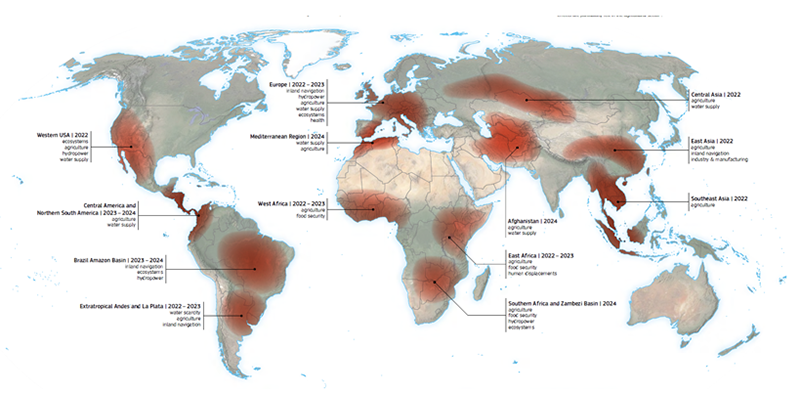
Fig. 1. Examples of major drought events with examples of impacted systems;
red areas represent the approximate spatial extent of drought impacts (conditional boundaries)
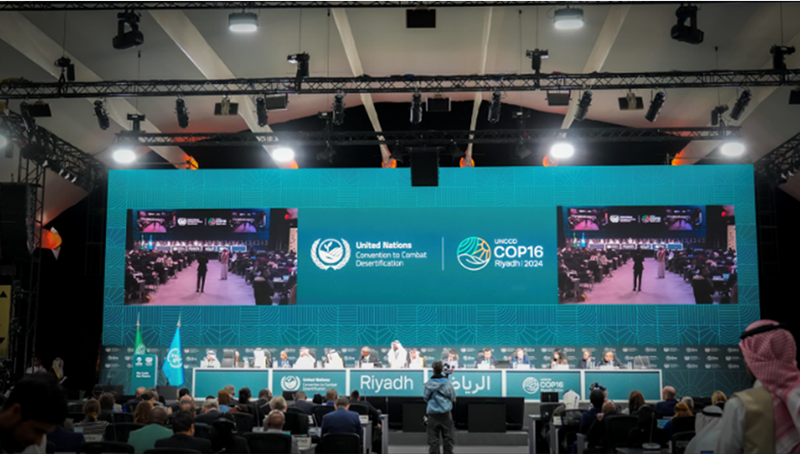
Fig.2. 16th session of the Conference of the Parties
to the United Nations Convention to Combat Desertification (COP16),
Riyadh, Saudi Arabia
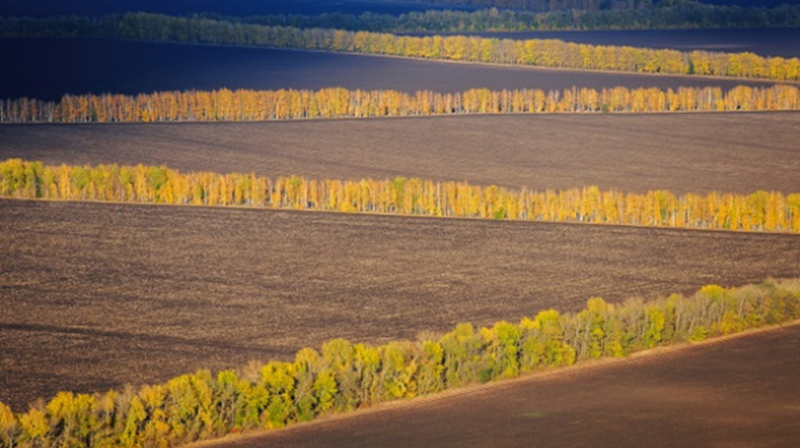
Fig. 3. Protective forest belts
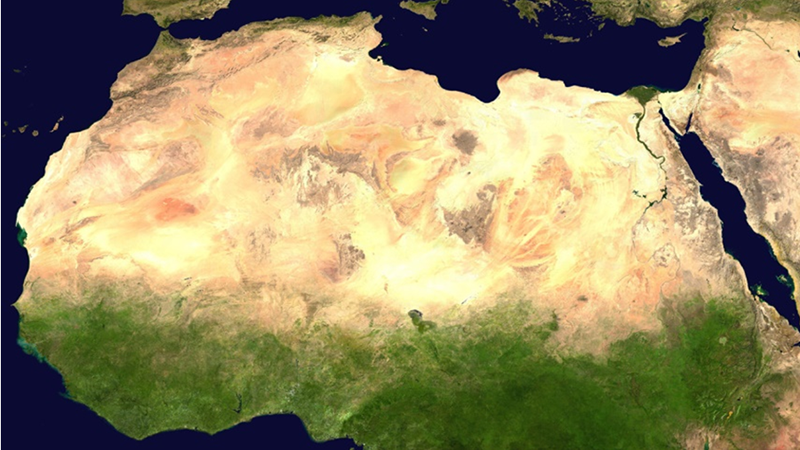
Fig. 4. Satellite image of the Sahara in the Sahel (southern fringe)
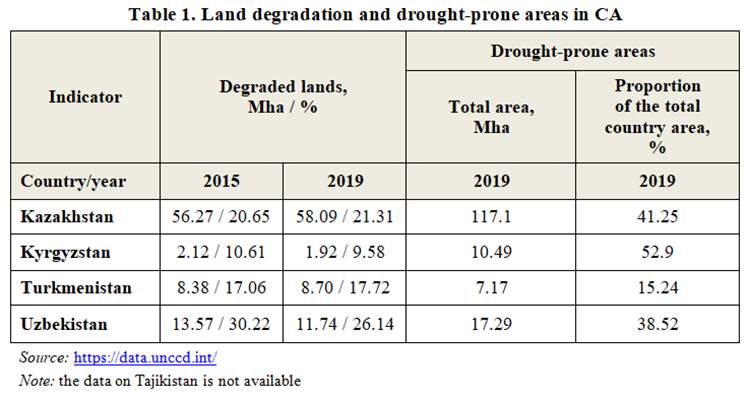
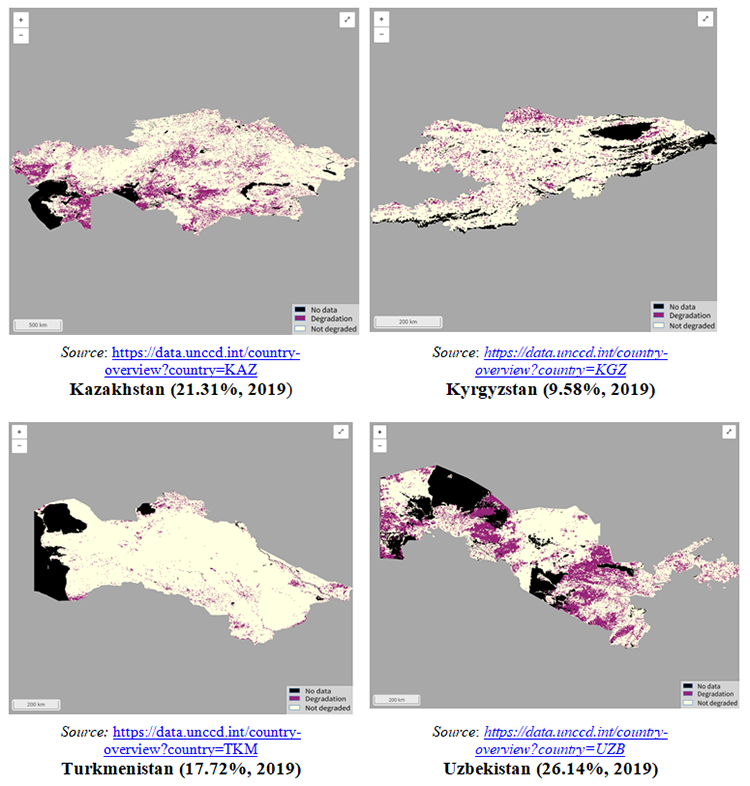
Fig. 5. Proportion of degraded land of the total country area
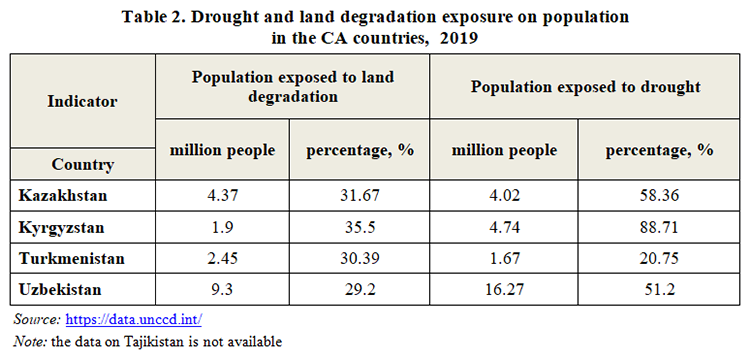
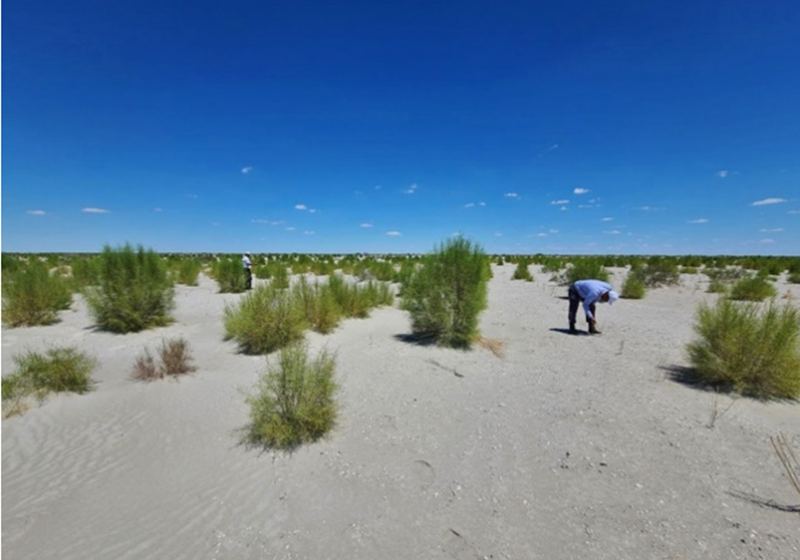
Fig. 6. Planting saxaul on the dried bed of the Aral Sea
(Republic of Karakalpakstan, Uzbekistan)
Development and support
Scientific-Information Center ICWC