
Section 5. Key water developments in the countries of Central Asia
5.2. Kyrgyz Republic
Water Sector
Water resources. The total available water resources in the Republic amount to 2,458 km³, including: 650 km³ (26.4%) in glaciers (8,000 km2); 1,745 km³ (71%) in lakes; 13 km³ (0.5%) as potentially usable groundwater and mineral thermal water; and, 44.5 tо 51.9 km³ (2.1%) as average annual river runoff. The total annual volume of renewable water resources in Kyrgyzstan is 46.5 km³.
The Kyrgyz Republic has over 3,500 watercourses and 1,923 lakes. 44 aquifers with fresh and mineral waters are available here. The average long-term river runoff generated within the country is 44.5 km3 and reaches 47.2 km3 with return water included.
2025 Results. For 11 months of 2025, 5.6 km³ of water were supplied, irrigating 2.8 Mha of agricultural land. Irrigation was provided for 404 legal entities and 77.1 thousand farms. More than 550 km of canals have been repaired and cleaned, 10 reservoirs have been put into operation, and water-saving technologies have been upscaled on an area of 17.7 thousand ha.
New appointments. (1) Mr. Bekten T. Bekbolotov was appointed Deputy Minister of Water Resources, Agriculture and Processing Industry (MWRAPI KR); (2) Mr. Baktybek K. Anarkulov was appointed Deputy Director of the Water Resources Service (WRS) at MWRAPI KR.
Latest developments in legislation. New Water Code was adopted (ZKR No.128 of 27.06.25), providing for comprehensive reforms in water management and protection, water use tariff regulation, and simplification of legislation. The irrigation infrastructure in rural municipalities is transferred to state ownership to improve irrigation efficiency and water fee collection. Environmental requirements have been strengthened, including a ban on the construction and landscaping of areas along canals and drainage systems. A unified was tariff system has been established. The Code also regulates the procedure for interaction with neighbouring countries on water. Kyrgyzstan has enshrined the right to shared compensation from neighbouring states for costs and damage associated with the construction, reconstruction, and operation of water infrastructure of international importance. It governs water sharing under international agreements.
The following orders of the Kyrgyz Cabinet of Ministers were approved: (1) On the inventory and registration of all water infrastructure facilities in the country, No. 712-t of 19.08.2025; (2) On the draft regulation on the Joint Kyrgyz-Tajik Water Commission , No.860-t of 04.10.2025. For more information, see Cooperation between the Countries of Central Asia on water and other matters.
Water management system. In 2025, (1) mechanical cleaning and repair of 562 on-farm and inter-farm canals was completed; (2) rehabilitation of 608 hydraulic structures, 174 gauging stations, 91 pumping stations, and 156 pumping units, with 19 ones replaced, was finalized.
Rehabilitation of the Aral-Bel intake dam is ongoing in Jety-Oguz district, Issyk-Kul province to connect the Ara-Bel and Zhuuku rivers. The length of the dam under construction is 300 m. At the same time, construction of a new 120-m long and 7-m deep canal is underway.
With the support of EBRD , reconstruction of the Aravan Ak-Buura canal has begun. In addition, WRS received modern specialized equipment for maintenance of irrigation canals (20 August).
Projects and programs. Completed projects: (1) «Climate Change and Disaster-Resilient Water Resources Sector Project» (АDB, $43.6 million, 2019-2025); (2) «Regional Water and Vulnerable Environment Activity» (USAID, $21.5 million, August 2022-July 2025).
Ongoing projects: (1) «Climate Resilient Water Services Project» (CRWSP) (IDA, $100 million, 2022–2028, Batken, Jalal-Abad and Osh provinces) – key procurement and contract procedures have been completed; modernization of the Kurshab-Sai irrigation system was launched (24 October); (2) «Climate Sensitive Water Resources Management in Central Asia» (BMZ, SDC, GIZ, €12.9 million, 2023–2027); (3) «Climate-Responsive and Gender-Sensitive Basin Management» (BMZ, SDC, GIZ, 2024–2026) – regional trainings were organized for specialists in the water sector of the Central Asian countries (Bishkek, 7–8 October), for the networks «Women in Water Management in Central Asia and Afghanistan» and «Women in Water Diplomacy in the South Caucasus region» (Tashkent, 25 November ); (4) Irrigated Agriculture Development in Issyk-Kul and Naryn Regions Project (IDB, Saudi Fund for Development, $50 million, 2023-2028); (5) «Kyrgyzstan Climate Resilience Water Supply project» (EBRD) – ЕBRD and EU announced the second tranche of funds for modernization of irrigation infrastructure (a financial package of up to €37.96 million, consisting of (i) loan up to €26.93 million and a €1.03 million grant from EBRD, (ii) a €10 million EU grant) for infrastructure facilities in Jalal-Abad and Naryn provinces.
The «Water Use Permits in Kyrgyzstan» project has been launched with the support of Switzerland (CHF 2.2 million, 2025–2028). An agreement was signed to launch a project to support reforms in the sustainable and rational use of water resources in accordance with the new Water Code of the Kyrgyz Republic, adopt a permitting system as a tool for water regulation and accounting (3 November). The project covers 3 components: (1) water resource accounting and planning; (2) water use permitting and pricing; (3) data management and engagement of stakeholders.
Events. (1) round tables on "Training personnel for the water sector and ensuring the safety of hydraulic structures in the context of digitalization and climate change" within the framework of World Water Day (19 March); “Water diplomacy in Central Asia in the context of water and energy crisis: Challenges and solutions” (5 April); “Future Investments in Kyrgyzstan's Irrigation Sector” (3 December) and discussions on climate and water (30 July); (2) Osh Forum “Kyrgyzstan’s water resources: conservation and rational use of the Syr Darya, Karadarya and Naryn mountain rivers for future generations” (3 October).
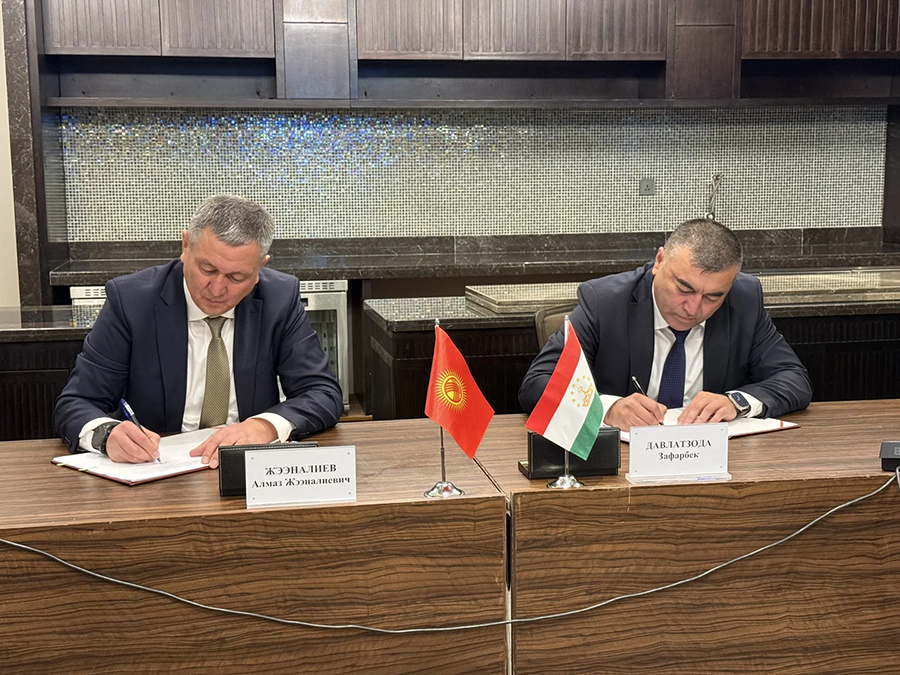
Regional and international cooperation. Kyrgyz delegation participated in: (1) 35th and 36th meetings of the Chu-Talas Water Commission (Astana, 24-25 April; Bishkek, 26 September); (2) 1st meeting of the Kyrgyz-Tajik Water Commission (Dushanbe, 9 October); (3) 6th and 7th meetings of the Joint Kyrgyz-Uzbek Water Commission (Andijan, 12 June; Manas, 11 November). For more details, see Cooperation between the Countries of Central Asia on Water and Other Matters.
In the course of the year, ministers of water and energy of Kazakhstan, Uzbekistan, and Kyrgyzstan held meetings to regulate the water and energy regime of the Syr Darya river basin and to implement the Kambarata-1 Project.
Director of the Water Resources Service had meetings with: (1) the Regional Director of the World Bank in Central Asia and the Head of the World Bank Representative Office in the Kyrgyz Republic, to discuss cooperation on and support for the implementation of the ten-year program for modernization of the country's irrigation infrastructure, aimed at solving the problem of water losses, improvement of water use efficiency and development of water-saving technologies (31 January); (2) the Swiss delegation and the head of the IWMI Regional Office for Central Asia, as part of the Blue Peace Central Asia initiative (6 February).
Drinking Water Supply
Latest developments in legislation. The following resolutions of the Kyrgyz Cabinet of Ministers were adopted: (1) No. 264 of 20.05.2025 «On the establishment of the State Institution "Authority for Capital Construction of Drinking Water Supply and Sanitation Facilities" at the Water Resources Service of the Ministry of Water Resources, Agriculture and Processing Industry of the Kyrgyz Republic»; (2) No. 608 of 24.09.2025 «On Amendments to the Resolution of the Cabinet of Ministers of the Kyrgyz Republic No 320 of 19.06.2024 on Approval of the Tariffication Procedure for Centralized Drinking Water Supply and Wastewater Disposal Services», which states that water supply and wastewater utilities are recognized as natural monopoly entities and are subject to state regulation; tariffs are based on economically justified cost, taking into account the costs of servicing, modernization and repayment of loans; local authorities have the right to establish differentiated tariffs for various categories of consumers and increasing coefficients for large commercial users; the formula for calculating the tariff, taking into account the planned consumption volumes and coefficients. The document also clarifies the cost structure, introduces new rules for accounting for administrative and production expenses, and provides for the right of enterprises to direct savings to the development, modernization, and employee rewards (not exceeding 10% of the amount of cost savings).
Projects and programs. In 2025, access to clean drinking water was provided for 40 rural settlements, benefiting more than 75,000 people. For these purposes, KGS3.7 billion were allocated from the state budget. Water supply systems are under construction in 25 cities and 601 villages.
The projects "Rehabilitation of water supply and sewerage systems of the city of Uzgen" and "Rehabilitation of water supply and sewerage systems of the city of Kyzyl-Kiya" (EBRD) has been completed. In Uzgen, the water supply system has been modernised; a total of 80 km of water supply networks have been constructed, enabling expanded access to centralized services, reducing water losses, and improving environmental conditions. In Кyzyl-Кiya, 32.5 km of networks were reconstructed, 6 thousand meters were installed, and specialized equipment was replaced; access to quality water supply increased by 68.6%, the coverage of sewerage services tripled, and technical water losses decreased from 78 to 46%. Both municipalities have adopted modern management systems, international financial reporting standards, and a sustainable tariff policy.
As part of the projects: (1) CRWSP, baseline study was completed in Osh, Jalal-Abad and Batken provinces; (2) Naryn Rural Water Supply and Sanitation Development Program (NRWSSDP) (АDB, $32.9 million, 2020-2027), ADB mission reviewed the progress of construction work at the pilot facilities and held a final meeting; (3) «Sustainable Rural Water Supply and Sanitation Development Project»/SRWSSDP (WB, IDA, $59.5 million, second additional financing – $7.64 million, 2017-2025, Chui, Issyk-Kul and Osh regions), a new laboratory site of the KSTU was оpened for the training of water supply specialists; the WB mission completed its work.
The second phase of the «Naryn Rural Water Supply and Sanitation Development Project» (€5.5 million, including €2 million – EBRD loan, €2.5 million – SECO grant, €1 million – IFCA grant ) was started, providing for the construction of a wastewater treatment plant, the expansion of sewerage networks and the connection of more than 7 thousand households to the centralized wastewater disposal system.
Agriculture
2025 Results. By the end of the year, GDP amounted to KGS1,976.4 billion (about $22.6 billion, +11.1% by 2024). Gross agricultural production reached KGS459.7 billion (the growth was 102.2% compared to 2024). In animal husbandry, the production of livestock and poultry for slaughter increased by 3.6%, milk by 3.2%, eggs by 18.7%, wool by 1.4%. In crop production, the total sown area reached 1,245.6 thousand ha.
Public administration reforms. In line with Resolution of the Cabinet of Ministers of the Kyrgyz Republic No. 39 dated January 27, 2025 “On certain issues in veterinary medicine, crop production, and animal husbandry,” and to streamline the operations of individual subordinate structures of the Ministry, the State Service for Veterinary and Phytosanitary Surveillance and the Veterinary, Livestock Development, Pasture and Feed Service were established under the Ministry of Water Resources, Agriculture and Processing Industry of the Kyrgyz Republic.
New appointments. Mr. Ulugbek Kozhobergenov was appointed as the Director of the Veterinary, Livestock Development, Pasture and Feed Service; Mr. Jalilbek Toimatov was appointed as the Director of the Department of the Fisheries Industry Complex; and Mr. Nurbolot Zhekshenov was appointed as the Deputy Director of the Service for Pasture and Water Control.
Latest developments in legislation. The following decrees of the Cabinet of Ministers were adopted: (1) No. 280 of 26.05.25 «On regulation of bee breeding, honey production and beekeeping in the Kyrgyz Republic»; (2) No. 321 of 05.06.2025 «On amendments to some decisions of the Cabinet of Ministers of the Kyrgyz Republic on the activities of the Ministry of Water Resources, Agriculture and Processing Industry of the Kyrgyz Republic», approving the regulations on the State Service for Veterinary and Phytosanitary Surveillance Service, the Kyrgyz Research Institute of Veterinary Medicine named after Arstanbek Duisheev and the Veterinary, Livestock Development, Pastures and Feed Service; (3) No. 481 of 08.08.2025 «On the approval of the Program for the Development of Fisheries Industry and Aquaculture in the Kyrgyz Republic for 2025-2029», including the establishment of an advisory committee under the MWRAPI KR for coordination, strengthening of anti-poaching measures and digitalization of accounting.
Projects and programs. The five key state programs support agriculture, processing enterprises and individual entrepreneurs, including «Agriculture financing– 13», «Lending to the Agro-Industrial Complex», «Financing of United Commodity Producers», «Development of Livestock Breeding» and «Development of Seed Production and Nurseries».
Ongoing projects: (1) Kyrgyzstan Pasture and Natural Resource Management Project (U.S. Forest Service); (2) Strengthening Climate Resilience through Introduction of Innovative Smart Techniques in Flood and Drought Management in Central Asia (GGGI, $10 million, 2024-2027). The project partners agreed to work jointly on introducing new water management technologies, creating green jobs, and developing organic agriculture, with a focus on expanding its adoption in rural communities (Bishkek, 8 August).
MWRAPI together with UNWFP launched a Climate-Resilient Agricultural Value Chain Development Project (Government of Japan with technical support from JICA, $4.5 million). The project aims to increase productivity, develop cooperatives, build greenhouses and irrigation systems, and train farmers in modern agricultural technologies and management. It will cover 17,000 small farmers in Batken, Jalal-Abad and Osh provinces.
Capacity building. The following trainings were organised: agrarian caravan «Аgrozovet – 2025» workshops/trainings (Batken province, 13 February, Issyk-Kul province, 11 April); on the zero tillage technology (Bishkek, 30 May); for entrepreneurs of processing industry (Оsh, 26 August); training on transitioning territories to organic zones (Toktogul District, 10 November; Chon-Alai district, 13 November).
Events. The following events were organised: (1) Agro-Industrial Forum in Bishkek «Аgro-Dialogue- 2025» (31 January); International Forum «Digital Farmer-2025» (3 April); CAREC Sustainable Agriculture and Food Security Working Group Meeting (21-23 May); Exhibition-Fair «National values begin with agriculture» (2 June); Investment Forum «WAPinvest-2025» (16 September); Hungarian-Kyrgyz Forum of Food Industry (5 November) and Digital Farmer Hackathon-2025 (27 November); (2) 4th meeting of OTS Ministers of Agriculture (24-25 June) and IV Business Agro-forum of Turkic-speaking countries (25 June) in Issyk-Kul.
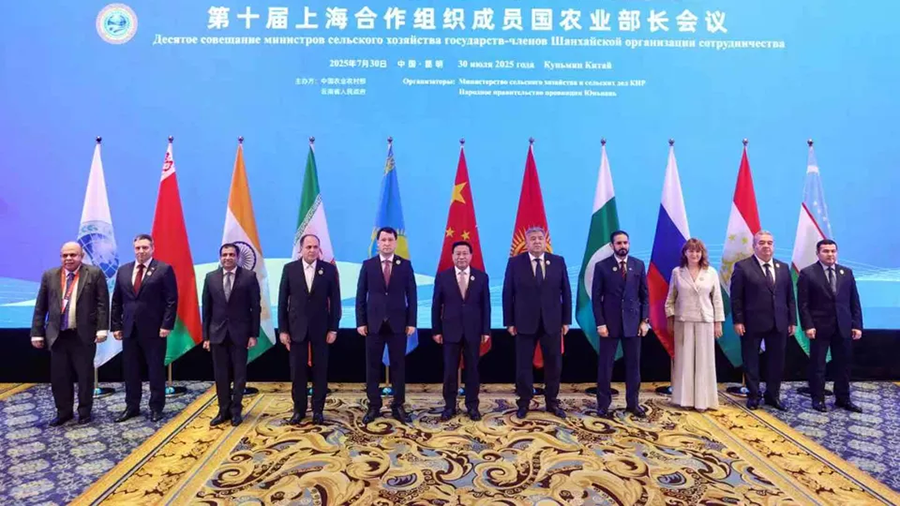
The Kyrgyz delegation took part in the meeting of the Central Asian Ministers of Agriculture (Tashkent, 11 November) and the 10th Meeting of Agriculture Ministers of the SCO Member States (Kunming, PRC, 30 July).
Regional and international cooperation. Meetings were organized with: (1) representatives of Chinese companies and organizations to discuss future projects and cooperation (Beijing, 5 February); (2) Deputy Minister of Agriculture of the Russian Federation on the development of bilateral cooperation in livestock breeding and veterinary (Vologda Region, Russia, 7 July); (3) representatives of the South Korean National Information Society Agency NIA (online, 17 September); (4) Vice-President of the International Fund for Agricultural Development/IFAD (Rome, 16 October); (5) Director-General and Subregional Representative of the World Organisation for Animal Health (WOAH) (Geneva, 31 October); (6) Delegation of the Islamic Republic of Iran (Bishkek, 14 November); (7) representatives of the Russian-Kyrgyz Development Fund (Bishkek, 18 November).
The following documents have been signed: (1) Memorandum of cooperation between the MWRAPI and the Polytechnic University of Turin (Bishkek); (2) 2025 plan of cooperation between the MWRAPI and the OSCE Programme Office in Bishkek; (3) Protocols with the General Administration of Customs of China, to strengthen bilateral economic ties and ease customs procedures between the two countries (Beijing, 5 February).
Energy
Power generation and consumption. In 2025, power generation in Kyrgyzstan reached 15.4 billion kWh, including 12.9 billion kWh from large HPPs; 0.223 billion kWh from small HPPs; 0.234 billion kWh from mini HPPs and renewables; and, 2.01 billion kWh from thermal power stations.
According to the Ministry of Energy, power consumption amounted to 19.3 billion kWh in the country. To cover power deficit, about 3.8 billion kWh was imported.
New appointments. Mr. Ysmanov Emilbek Kasymovich was appointed as the Deputy Minister of Energy of the Kyrgyz Republic.
Latest developments in legislation. The following resolutions of the Kyrgyz Cabinet of Ministers have been adopted: (1) No. 61 of 05.02.2025 «On the procedure for settlements in the wholesale electricity market», which approved the Regulation on the procedure for settling and sharing of funds received by an authorized bank from internal consumers, between electricity generation, transmission and distribution companies; (2) No. 227 of 24.04.2025 «On approval of the medium-term energy tariff policy of the Kyrgyz Republic for 2025-2030», under which a phased increase in energy tariffs, effective from 1 May 2025, is envisaged to bring them to the level of the actual cost of energy generation, as well as the adoption of a night-time tariff effective from 1 May; (3) No. 410 of 14.07.2025 «On the transformation of the state enterprise ‘Kyrgyzkomur’ at the Ministry of Energy of the Kyrgyz Republic into OJSC ‘Kyrgyzkomur’».
HPP construction and modernization
At the At-Bashy HPP routine maintenance was carried out on hydroelectric units No. 1 and No. 2, transformer No. 1, and several components of 110-kV and 10-kV switchgear. Restoration of the upper arch of the spillway structure was completed, and the first rehabilitation stage of the operational spillway.
As part of the Toktogul HPP Rehabilitation Phase 3 Project, turbine-generator unit No. 3 was modernised to increase capacity by 60 MW. In total, 4 turbine-generator units were modernized, increasing the installed capacity by 240 MW.
Hydroelectric unit No. 2 (+ 9 MW) has been upgraded at the Uch-Kurgan HPP. The total capacity after modernization reached 180 MW (+18 MW). Reconstruction of hydroelectric unit No. 3 is 98% complete. The control system is replaced and identified defects and deficiencies are repaired on hydroelectric unit No. 4. Gates are assembled, subjected to non-destructive testing (NDT), and prepared for installation as part of rehabilitation.
1860-MW Kambarata-1 HPP will be built in Kyrgyzstan jointly with Uzbekistan and Kazakhstan . A tender was launched to update the 2014 Feasibility Study, and a contract was awarded to the successful bidder. The dam type has been selected and the main stages of infrastructure construction have been completed, including the 8.6-km concrete access road from the 318th km of the Bishkek–Osh highway to cut-off wall 2; on the 4.7-km section leading to the HPP site, 85% of the construction have been completed; construction of the TT-2 transport tunnel (126 m) has been completed; 110 kV power transmission line (11.5 km, 25 poles) has been installed, the substation is almost ready; the rotational camp is 60-70% ready; the bridge over the Naryn River (more than 180 m) is 50-60% complete; a concrete road (1,387 m) was completed as part of the operational phase of TT-2 (overall readiness 55–60%).
Commissioning works for 120-MW turbine generator unit No. 2 are underway at the Kambarata-2 HPP.
OAO Chakan HPP has signed a contract with the general contractor, China National Heavy Machinery Corporation, for the reconstruction of the Lebedinovskaya HPP. Design and estimate documentation is being prepared. The project provides for the modernization of equipment, an increase in installed capacity from 7.6 to 10 MW, and an increase in annual electricity generation by 44% - from 37.2 to 53.5 million kWh.
Construction work at the Orto-Tokoy HPP is proceeding on schedule; the total efforts finished are 75%. Work on the water intake and storage reservoir is complete. The 928-meter diversion tunnel is fully excavated, with 624 meters already lined in concrete. The HPP will have an installed capacity of 21 MW, with commissioning scheduled for the first half of 2026.
Construction of the 100-MW Kulanak HPP has begun, with an expected annual output of 435 million kWh . In Jalal-Abad province, the 18-MW Karakul HPP was commissioned, projected to generate 110 million kWh annually.
Additionally, 1,917 transformers were repaired in Bishkek.
Alternative energy
Latest developments in legislation. The resolution of the Cabinet of Ministers (PKM No. 360 of 23.05.2025) “On amendments to some specific decisions of the Cabinet of Ministers of the Kyrgyz Republic in the field of renewable energy sources” was adopted.
Small HPPs. Shamshy HPP (1.7 MW) and Issyk-Ata-2 HPP (4 MW) in Chui province, Orto-Koi-Suu HPP (9 MW) and Ananyevo HPP (5.5 MW) in Issyk-Kul province, Aksy HPP (4.75 MW) and Karakul HPP (18 MW) in Jalal-Abad province, Kojo-Kaiyr HPP (0.6 MW) in Batken province were commissioned. The first 200-kW generating unit of the Bazarbay Ata-3 small HPP underwent successful trial testing and was commissioned in Kadamjay district of Batken province. The total installed capacity of the HPP is 600 kW. Construction of Kurak-Tektir-2 HPP in Osh province and Kainama HPP-2 in Jalal-Abad province begins.
Solar energy. The first 100 MW power plant was launched in Kemin district. Construction of a number of solar power plants was started, including: 400 MW SPP in Balykchy in Issyk-Kul province; Issyk-Kul-1 SPP (total capacity 1900 МW; investments of $1.4 billion; annual electricity generation up to 3.6 billion kWh) in the village of Kyzyl-Oruk; and, SPP (annual electricity generation is about 600 million kWh) in the village of Toru-Aigyr.
Wind energy. Construction of a wind power plant has begun (100 MW) in the village of Kok-Moinok.
Events. The following events were organised: (1) International Scientific and Practical Conference «Artificial Intelligence and Inverse Problems in Science and Industry: Energy, Transport, Construction, Information Technology, Environmental Protection, and Economics» (Osh, 10 October); (2) «European Union’s Sustainable Energy Days, 2025» (Bishkek, 14-15 October); (3) Conference «National Dialogue on Energy Efficiency: Achievements, Challenges, Prospects» (Bishkek, 17 December); (4) Interuniversity Scientific and Practical Conference «Energy of the Future: Innovations and Technologies through the Eyes of Students» (Bishkek, 19 December).
Regional and international cooperation. The joint projects, opportunities for expanding investment cooperation, and priority areas for bilateral energy partnership were discussed during the meetings with: (1) the management of several Chinese companies (Tianjin, 25 June); (2) JSC "Grid Company" of Tatarstan (Bishkek, 5 September); (3) Senior Vice President of JICA (Tokyo, 16 September); (4) Deputy of the House of Representatives of the Parliament of Japan, Deputy Head of the Japan-Kyrgyzstan Friendship Group (Tokyo, 17 September); (5) Minister of Energy of the Islamic Republic of Pakistan (Islamabad, 3-4 December); (6) Minister of Energy and Natural Resources of the Republic of Turkey (Istanbul, 9 December).
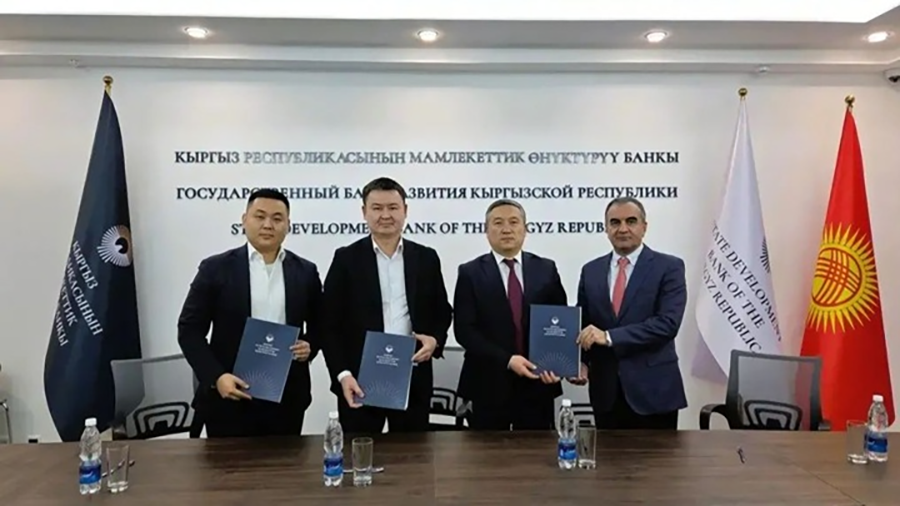
The following agreements were signed (1) Memorandums of Understanding between the Ministry of Energy of the Kyrgyz Republic and the Ministry of Industry and Trade of Vietnam, «Vtech» Company, and Memorandum of Understanding between the OJSC «National Electric Grid of Kyrgyzstan» and the National Operator of the electric power system and power market of Vietnam; (2) investment agreements in the energy sector with the PRC; (3) memorandum for the construction of a new small HPP in Chui province by the State Development Bank of the Kyrgyz Republic, the National Investment Fund and the Azerbaijan-Kyrgyz Development Fund; (4) additional agreement to the Investment Agreement between the Cabinet of Ministers of the Kyrgyz Republic, «Sonningdale Limited» Company and RECA LLC.
Environment and Сlimate Сhange
Latest developments in legislation. The following legal documents were adopted: (1) Law No. 25 of 23.01.2025 «About biological safety in the Kyrgyz Republic», regulating biosafety issues and fixing state guarantees for the protection of population and the environment; (2) Law No. 36 of 10.02.2025 «On amendments to the Code of Offences of the Kyrgyz Republic», which increases liability for environmental violations; (3) UP KR No. 105 of 27.03.2025 «About the Concept of environmental safety of the Kyrgyz Republic for the period up to 2040», to ensure environmental safety, minimizing negative impacts on the environment and increasing resilience to climate change; (4) PKM No. 397 of 03.07.2025 «On the approval of the Concept for achieving carbon neutrality of the Kyrgyz Republic and the Action Plan for the implementation of its first stage», providing for a phased transition to a carbon-neutral economy in key sectors; (5) Resolution of the Jogorku Kenesh of the Kyrgyz Republic No. 3418-VII of 18 September 2025 «On the adoption at first reading of the draft Law on the Ratification of the Agreement under the United Nations Convention on the Law of the Sea on the Conservation and Sustainable Use of Marine Biological Diversity of Areas beyond National Jurisdiction, signed on 17 July 2025».
The «Green Economy Development Program until 2029» was adopted (PKM No. 544 of 01.09.2025) to establish a sustainable, low-carbon and resource-efficient economic model that contributes to improving the quality of life of the population and achieving national and international sustainable development goals. By 2029, the country is to: (1) reduce the energy intensity of GDP by 20%, compared to the 2025 level; (2) increase agricultural productivity by 25%; (3) restore 30% of degraded land and territories; (4) ensure the widespread deployment of renewable energy sources and energy-efficient technologies, etc.
Projects. The project “Capacity development and technology transfer to improve the generation and use of data and information in support of monitoring the environment in Central Asia” has been completed (2020-2025, UNEP together with the Institute of Geography of the Russian Academy of Sciences and Lomonosov Moscow State University) was completed. The Atlas of Environmental Change for the Kyrgyz Republic has been developed . It is based on 60 years of satellite and historical data, reflects the state of ecosystems and progress towards SDGs 6 and 15 and the goals of the Rio Conventions.
As part of (1) “Improving Air Quality in the Kyrgyz Republic (AQIP)” Project (WB, $50 million, 2024-2030), meetings of the Steering Committee were held (14 February; 25 July), the World Bank mission completed its work (3–7 March), activities aimed at reducing air pollution, including policy dialogue on transport-related air pollution, were carried out (21 October); (2) “Advancing development of National Adaptation Plan process for medium- and long-term adaptation planning and implementation in the Kyrgyz Republic” (GCF, UNDP), a public discussion of the draft NAP was organized and measures were presented in 6 sectors (agriculture/irrigation, health, emergency situations, biodiversity, energy, sustainable urban development) and further steps to formalize and implement the NAP were discussed (19 March); (3) “Carbon sequestration through climate investment in forests and rangelands in the Kyrgyz Republic” (GCF, $49.99 million, 2022-2030), a meeting of the National Steering Committee was held, where materials on the status and 2025 work plan were approved (7 April) and a round table “Development and financing of green value chains: the role of financial institutions in implementing the FAO Carbon Sequestration Project» was held in Bishkek (24 September); (4) “Implementation of the national biosafety mechanism in the Kyrgyz Republic in accordance with the Cartagena Protocol on Biosafety” (FAO/GEF), the Project action plan for 2026 was approved following the meeting of the Interdepartmental Working Group and the Project Steering Committee. The plan schedules the completion and approval of legal regulations implementing the Cartagena Protocol and bylaws under the Law "On Biosafety in the Kyrgyz Republic" (4-5 December).
Capacity building. МNRETS of KR, with the support of Fauna & Flora International and TRAFFIC, has developed the CITES electronic database of permits to digitize the permitting system, strengthen control and suppress illegal trade in wildlife.
The following capacity building events were held in Bishkek: (1) training for commercial banks on climate finance (22 May); (2) training seminars for employees of the southern regional departments of the Ministry, the State Customs Service under the Ministry of Finance of the Kyrgyz Republic and the State Border Service under the State Committee for National Security of the Kyrgyz Republic (17-18 June); (3) awareness raising campaigns in educational institutions (7 September-7 October); (4) workshop on transparency in subsoil use (5 December).
Kyzyl-Suu hosted a National Youth Summer Camp «Climate-Mountains-Youth» . Its program included training on climate change and glacier monitoring sciences; field visits to high-altitude research stations and Lake Issyk-Kul; practical research on water quality, biodiversity and pasture degradation; climbing and mountain safety sessions to develop resilience skills; creative sessions and open discussions (August).
Events. The following events were organised: (1) International conference «Global mountain dialogue for sustainable development towards the Summit Bishkek+25» (24-25 April); (2) sub-regional workshop on climate-related risks for tailings management facilities in Central Asia (21-22 May); (3) Final event of the «Youth Climate Caravan 2025» initiative (1 July); (4) Meeting of the Coordinating Council on Environment, Climate Change and Green Economy Development, where the third Nationally Determined Contribution (NDC 3.0) was officially adopted (19 September); (5) National Forum of Judges "Environmental Justice: Challenges and Prospects" (25-26 September); (6) National multi-stakeholder dialogue on air quality (21 October).
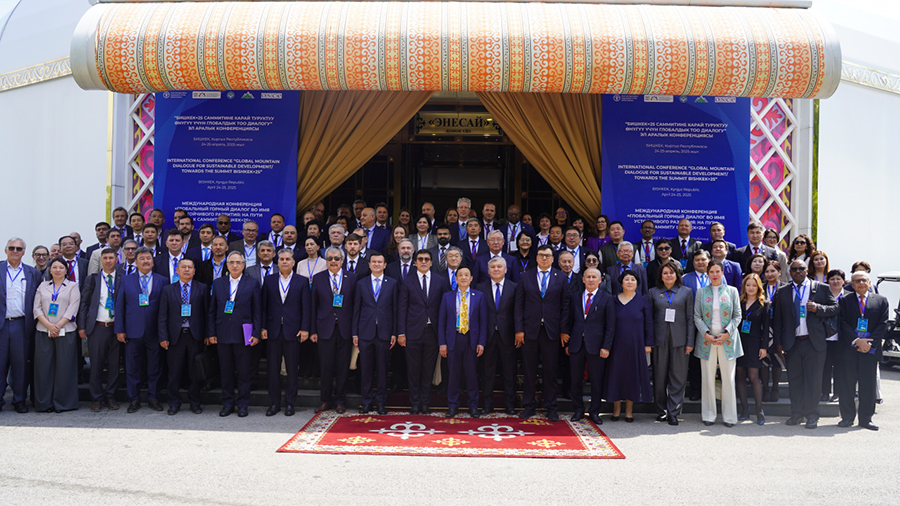
Delegation of the Kyrgyz Republic took part in: (1) the 17th meeting of the Basel Convention on the Control of Transboundary Movements of Hazardous Wastes and Their Disposal, the 12th meeting of the Rotterdam Convention on the Prior Informed Consent Procedure for Certain Hazardous Chemicals and the 12th meeting of the Stockholm Convention on Persistent Pollutants (Geneva, Switzerland, 28 April-9 May); (2) Green Transition Initiative General Assembly and the Ministerial Forum (Seogwipo, Republic of Korea, 4-5 June); (3) 62nd Session of the Subsidiary Bodies of the United Nations Framework Convention on Climate Change (Bonn, Germany, 16-26 June); (4) 6th Meeting of Heads of Ministries and Agencies of the SCO Member States Responsible for Environmental Protection (Tianjin, China, 3 July); (5) 30th Conference of the Parties to the UNFCCC (Belém, Brazil, 10-22 November); (6) 20th Conference of the Parties to CITES (Samarkand, Uzbekistan, 24 November-5 December).
Regional and international cooperation. The МNRETS of KR coordinates over 17 intergovernmental commissions focused on ecology, natural resources, and sustainable development. In 2025, the Ministry signed over 20 international agreements and memoranda in these sectors. Bilateral meetings to expand cooperation were held with the FAO Director-General, Italy's Deputy Minister of Environment and Energy Security (Bishkek, April 24–25) , and GEF representatives (Belém, Brazil, November 10–22).
The Ministry presented the first Biennial Report on Transparency (BRT1), developed with the participation of government agencies, the scientific community, business and the civil sector; coordination and expert support were provided by UNDP in the Kyrgyz Republic with funding from UNEP and the GEF (Bishkek, 9 October).
SDGs in Kyrgyzstan
Kyrgyzstan is actively implementing the UN 2030 Agenda, integrating the SDGs into key strategic documents – National Strategy for Sustainable Development of the Kyrgyz Republic for 2018-2040, National Development Program of the Kyrgyz Republic until 2030, as well as sectoral programs.
In 2025, the Second Voluntary National Review (VNR) was prepared, and the national consultations were held in Bishkek on 13 March and 28 March. In July, the Kyrgyz Republic presented its Voluntary National Review (VNR) at the High-Level Political Forum on Sustainable Development. The statistical publication Statistics of the SDGs of the Kyrgyz Republic 2015–2024 and its summary version have also been prepared. A statistical publication “Sustainable Development Goals Statistics of the Kyrgyz Republic 2015-2024” and its short version have also been prepared.
In the annual ranking of sustainable development published by the UN and the Bertelsmann Foundation, Kyrgyzstan ranked 47th among 167 countries (48th place in 2024).
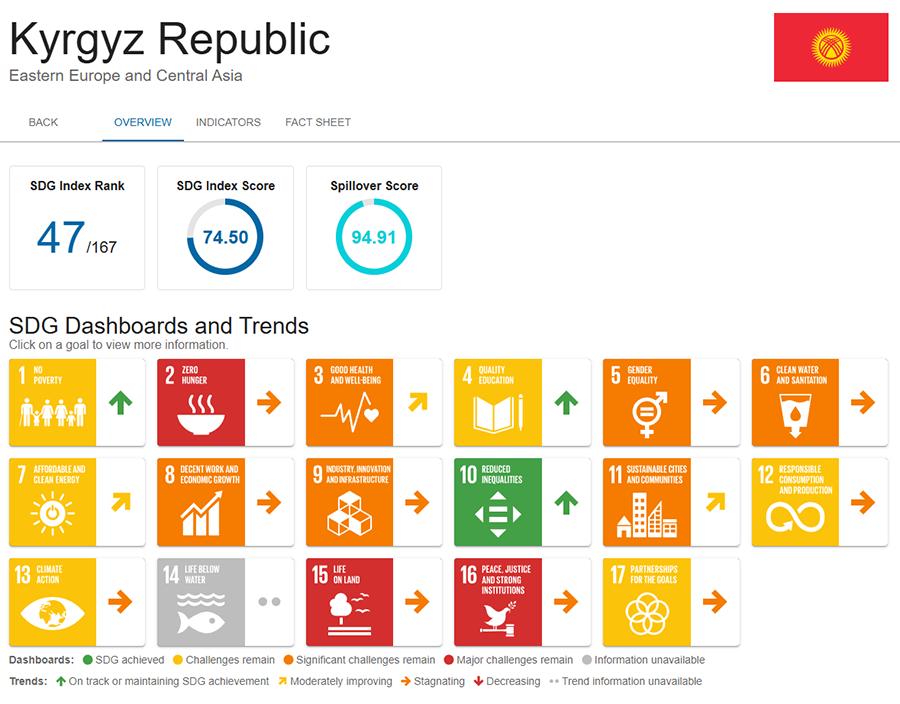
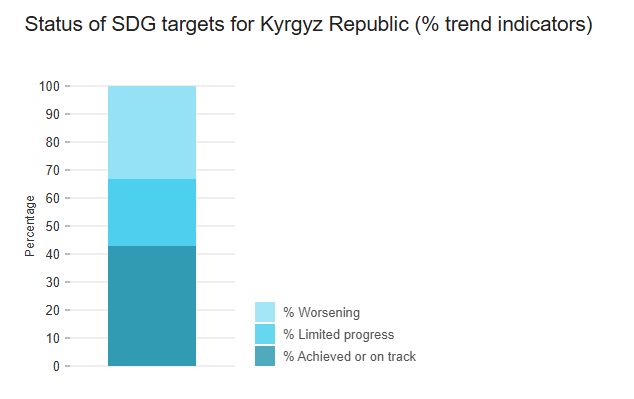
Projects and programs. As part of the Regional Program «Empowering Equality: Strengthening Gender Data Systems in Europe and Central Asia» , a survey «Women’s Well-being and Safety» was launched, and a workshop was conducted to strengthen national capacity for the collection, analysis, and use of data on violence against women (Bishkek, 29-30 June).
Events. The following events were organised in Bishkek: (1) intellectual quiz on the SDGs (22 February); (2) capacity building workshop «Planning for change with the SDG, SDG financing and SDG localization dashboard» (25-26 March); (3) international conference «Global mountain dialogue on sustainable development: towards the Bishkek+25 Summit» (24-25 April); (4) National Forum on SDG 4 «Development begins with education» (19 November); (5) capacity building workshop on SDG statistics (18 December).
International cooperation. UNDP, in partnership with the National Investment Agency under the President of the Kyrgyz Republic, launched the Kyrgyzstan SDG Investor Map , covering nine priority investment opportunity areas, including renewable energy, infrastructure, and education (Bishkek, 19 June). The Mаp is publicly available on the SDG investment platform and will be updated every two years to reflect economic shifts and investment trends. Kyrgyzstan is the first country in Central Asia to implement this methodology.
Emergencies
In 2025, implementation of a set of measures under the second phase (2023-2026) of the “Concept for Comprehensive Protection of the Population and Territories of the Kyrgyz Republic from Emergencies for 2018–2030” was continued . Key achievements across the four target areas include: 1. Increasing Knowledge of Disaster Risk: The Department of Monitoring and Forecasting published the report Monitoring and Forecasting of Hazardous Natural Processes in the Kyrgyz Republic for 2025; 2. Strengthening Institutional and Legal Frameworks: Several key regulatory acts were adopted to support disaster risk management; 3. Investing in Disaster Risk Reduction: The Ministry of Emergency Situations installed six automated weather stations, a hydrological radar, five avalanche monitoring posts, and two observation stations, raising daily forecast accuracy to 96%. Additionally, the Hydrometeorological Service procured environmental monitoring equipment; 4. Enhancing Preparedness: The Unified Duty Dispatch Service 112 was modernized, launching a new call center in Karakol under the "Digital Kyrgyzstan" initiative, with expansion planned for Bishkek and Chuy Province in 2026.
Latest developments in legislation. The following legal documents have been approved: (1) PKM KR No. 21 of 17.02.2025 «On Approval of the Classification of Emergency Situations and Criteria for Their Assessment in the Kyrgyz Republic»; (2) PKM KR No. 68 of 27.02.2025 «On urgent measures to reduce the risks of emergencies for 2025-2030», for the implementation of which PKM KR No. 601 of 23.09.2025 «On the Approval of the Action Plan for Reducing the Risk of Emergencies in the Territory of the Kyrgyz Republic for 2025–2030» was adopted; (3) PKM KR No.232 of 24.04.2025 «On the Concept for the Development of the Integrated System of Emergency Monitoring and Forecasting in the Kyrgyz Republic until 2030», aimed at strengthening scientific and technical capabilities, ensuring continuous monitoring of threat sources, introducing reliable forecasting and developing early warning mechanisms; (4) PKM KR No.251 of 13.05.2025 «On the Approval of the Regulatory Legal Acts in the Field of Fire Safety», which establishes safety requirements and specifies the list of facilities and equipment to be protected by automatic fire detection and fire suppression systems.
Natural disasters. In 2025, 14 emergency cases causing damage exceeding KGS 60 million were recorded, which is lower than in 2024; however, the total number of incidents increased by 16%, reaching 4,429 cases, and the total material damage amounted to KGS 2.03 billion, which is twice the level of the previous year.
Preventive/remedial measures. In 2025, dams and drainage canals were strengthened at 216 of 241 facilities, protecting 11 thousand residential buildings and surrounding areas from floods and mudflows. A total of 1,606 km of roads were rehabilitated, including the paving of 1,545 km with asphalt. In Bishkek (Manka-Zhar tract), a large-scale clean-up of the mudflow storage was carried out: 6 thousand tons of garbage were removed, two dams of 1,615 m3 were cleaned, and new protective structures were erected. After the breakthrough of Takyr-Tor Lake (Chui province), several departments restored the road, bridge, and mudflow canal and strengthened power transmission towers in Almaluu. On the Bishkek-Naryn-Torugart highway, the consequences of erosion and rockfalls were eliminated, and repair works continued on the road section at 9+300 km of the Zhol-Cholok–Boom highway (Kemin District) to ensure safe traffic.
Projects. The following GIZ projects have been completed: «Strengthening the material and technical capacity of the crisis and emergency response centre (CERC)» and «Strengthening the Capacity for Safe Management of Transboundary Water Resources in Central Asia Using Innovative Information and Communication Technologies».
As part of: (1) «Sustainable Landscape Restoration in the Kyrgyz Republic” Project (KG RESILAND CA+"), the implementation progress was reviewed and the Nature-Based Solutions (NBS) concept for Cholpon-Ata was presented online during the World Bank mission (Bishkek, 24 October). Modernization of 21 sites of high mudflow risk has been started and the following events were held: (а) training workshop on the application of GMF and GISAT approaches for mapping degraded land and analysing its connection with the frequency of mudflow occurrences (Osh province, 24-27 November); (b) NBS Conceptual Study Workshop for the Cholpon-Atua Pilot Site (Bishkek, 25 July); (2) «Enhancing Resilience in Kyrgyzstan» Project /ERIK (WB), a new school named after Arzybai Omurzakov for 275 places, built by the Ministry of Emergency Situations of the Kyrgyz Republic, was opened (Osh province, 11 November).
Implementation of the «Contingent Emergency Response Project»/CERP (WB) was discussed during the meeting with representatives of the World Bank (26 August); training "Strengthening the emergency response system: the GERP case study” was conducted (2 October).
Capacity building. The following trainings were held in Bishkek: (1) training workshops "Ministry of Emergency Situations of the Kyrgyz Republic in the international context: legal framework, partnerships and cooperation, and visa issues. Compliance with the legislation of the Kyrgyz Republic in foreign policy and project activities" (3 June); on exchange of knowledge between the Kyrgyz Republic and Japan to improve the effectiveness of emergency warning and response systems (6-7 October); on cybersecurity (9 October); on Natural Disaster Risk Management (DRM) for specialists of the Ministry of Emergency Situations of the Kyrgyz Republic (10 November); (2) a command-staff exercise for the emergency management authorities of the OTS Member States entitled “Operational procedures of the competent authorities for responding to emergencies caused by a devastating earthquake in the OTS region” (23 July) and republican command-staff exercises (22-24 October).
Events. (1) international conferences in Bishkek on monitoring and forecasting of climate disasters (11 April) and events dedicated to the International Day for Disaster Risk Reduction in the Kyrgyz Republic (8 October) ; (2) 16th meeting of the CSTO Coordination Council on Emergency Situations (4 September, Cholpon-Ata).
Delegation of the Ministry of Emergency Situations of the Kyrgyz Republic took part in: (1) the 8th World Crisis and Emergency Management Summit (Abu-Dabi, 8-9 April); (2) the 58th Session of the Executive Council and the 3rd Extraordinary Session of the General Assembly of the International Civil Defence Organization (ICDO) (Baku, Azerbaijan, 8-10 July); (3) working meeting of the heads of emergency agencies of the CA countries (Almaty, 7 August); (4) XXXVII Interstate Council for Natural and Man-Made Emergencies (Dushanbe, 17-18 September); (5) Regional Forum – Meeting of the Heads of Emergency Agencies of the Central Asian Countries (Dushanbe, 15-17 October); (6) Belt and Road Ministerial Conference on Disaster Risk Reduction and Emergency Management (Sanya, China, 5-7 November).
Cooperation. In Bishkek, meetings were held with: the Deputy Director General of the State Atomic Energy Corporation "Rosatom" (10 April); Ambassador Extraordinary and Plenipotentiary of the Republic of Turkey in the Kyrgyz Republic (16 April); Head of the KOICA office in the Kyrgyz Republic, during which the current results of joint projects and prospects for further cooperation were discussed (17 June); delegation of JICA (7 July); Head of the IDB Regional Hub (10 July); Head of the State Agency for Emergency Situations of Mongolia (22 July); Director General of GGGI, resulted in the signing of a Memorandum of Understanding between the GGGI and the Ministry of Emergency Situations of the Kyrgyz Republic (29 July); Deputy Country Director of WFP in the Kyrgyz Republic (10 September); Special Envoy of the OSCE Chairperson-in-Office (16 September); Executive Director of the Danvit Foundation (23 September); UN Resident Coordinator in the Kyrgyz Republic (26 September); (15) Head of the OSCE Programme Office in Bishkek (30 September); Ambassador Extraordinary and Plenipotentiary of the French Republic to the Kyrgyz Republic (13 October); representatives of the ADB mission (25 October); representative of the WFP Regional Hub for Asia and the Pacific (14 November). A trilateral Memorandum of Understanding was signed between the EU Delegation to the Kyrgyz Republic, the Aga Khan Development Network and the Ministry of Emergency Situations of the Kyrgyz Republic (Bishkek, 22 January).
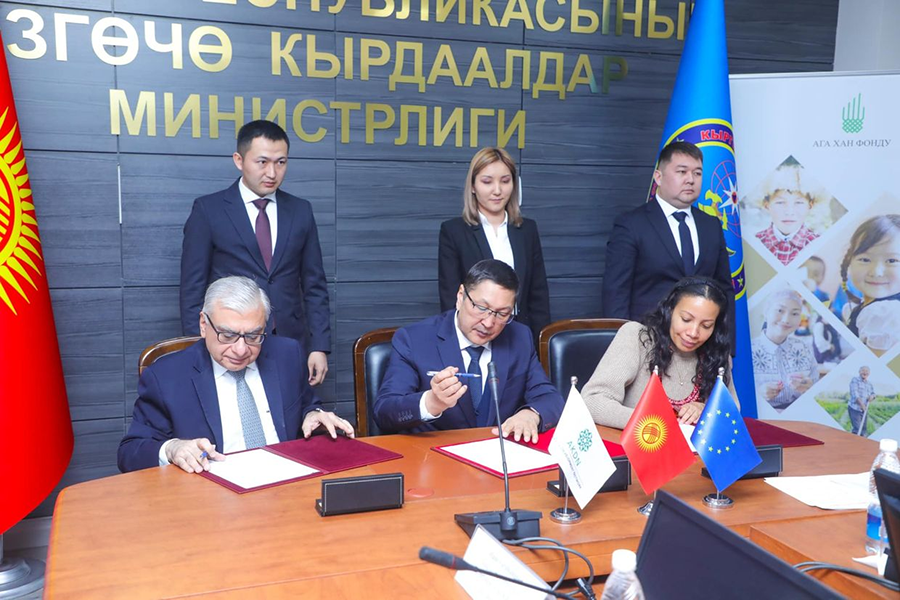
The Minister of Emergency Situations of the Kyrgyz Republic discussed the matters related to cooperation with the Deputy Minister of Agriculture and Forestry of the Republic of Turkey (Ankara, 29 January) and the Chairman of the Committee for Emergency Situations and Civil Defence under the Government of the Republic of Tajikistan (21 April, Dushanbe).
Foreign Policy and International Cooperation
In 2025, the Ministry of Foreign Affairs of the Kyrgyz Republic held 190 meetings at the highest and high levels, of which about 60 were held domestically and 130 abroad. Among the key events were 24 visits by the President of the Kyrgyz Republic, including three state visits, three official visits, and 18 working visits. The Ministry of Foreign Affairs has prepared 633 international treaties. In the course of the year, Kyrgyzstan established diplomatic relations with 13 countries. As part of its African initiative, the country opened its first embassy in Ethiopia and made an official decision to establish a diplomatic mission in Egypt.
Working and official visits. In 2025, the President of the Kyrgyz Republic visited China (February, August-September), Tajikistan (March, July, October), Uzbekistan (April, November), Bahrain (April), Russia (May, July, December), Hungary (May), Kazakhstan (May, June), Malaysia (June), Belarus (June), Azerbaijan (July, October), USA (September, November), Egypt (November), Pakistan (December), Turkmenistan (December), Japan (December).
Key developments in the country foreign policy in 2025
Key foreign policy priorities include strengthening relations with strategic partners and neighbouring countries in Central Asia and Eurasia; promoting political dialogue and cooperation within the UN, SCO, CSTO and OTS; intensifying global climate action; and advancing the Five-Year Action Plan for the Development of Mountain Regions (2023–2027).
The following events took place in Kyrgyzstan: (1) the 9th Annual International Congress and Exhibition «Hydropower Central Asia and the Caspian» (Bishkek, 9-10 April); (2) International Conference "Global Mountain Dialogue for Sustainable Development: Towards the Bishkek+25 Summit" (Bishkek, 24-25 April); (3) VII Kyrgyz-Russian Economic Forum (Cholpon-Ata, 13-15); (4) International Forum "Kyrgyzstan EXPO 2025" (Bishkek, 13-14 November).
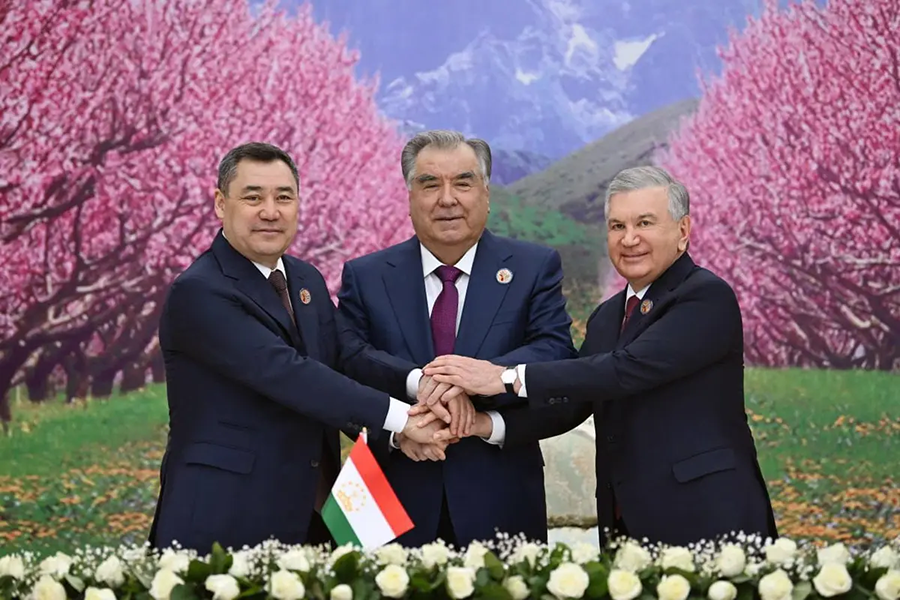
Development of alliances and strategic partnership. A major foreign policy milestone was reached with the final resolution of the border dispute between Kyrgyzstan and Tajikistan, marked by the heads of state signing the Treaty on the State Border (Bishkek, 13 March). See Cooperation between the Countries of Central Asia on Water and Other Matters.
Procedures on the Treaty on Deepening and Expansion of Allied Relations between Kyrgyzstan and Kazakhstan have been completed . During the visit of the President of the Kyrgyz Republic to PRC, several documents were signed, including an agreement on the project "Construction and technical equipment of the Bedel automobile checkpoint".
Progress in regional trilateral cooperation was marked by two major milestones: (1) the exchange of ratification instruments and signing of the agreement defining the tripoint border intersection between Kyrgyzstan, Tajikistan, and Uzbekistan (Khujand, Tajikistan, 31 March); (2) the signing and ratification of the financing agreement for the China–Kyrgyzstan–Uzbekistan railway (Bishkek, 16 December).
Chairmanship in international organizations. In 2025, Kyrgyzstan chaired several international organizations and platforms, including:
AP-IS (2024–2025). Kyrgyzstan assumed the Chair of the Steering Committee of the United Nations ESCAP Asia and Pacific Information Superhighway (AP-IS) initiative for the first time. It also participated in a roundtable on digital public services (26–27 August, Saint Petersburg, Russian Federation). The 9th session of the AP-IS Steering Committee was held under the chairmanship of Kyrgyzstan (Phnom Penh, Cambodia, 5 December).
CSTO (2025) In the course the year, several major joint exercises were held: "Interaction-2025", "Search-2025" and "Echelon-2025" (Belarus, 31 August-6 September); «Frontier-2025» (Edelweiss Center, Issyk-Kul, 17 September); «Indestructible Brotherhood-2025» and «Barrier-2025» (Tajikistan, 20 October).
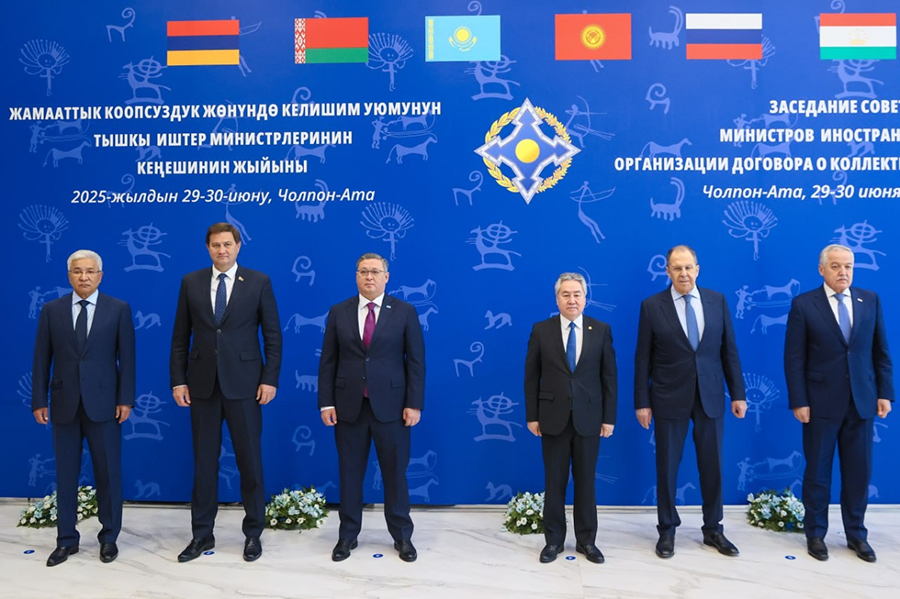
The following meetings were held: (1) meeting of the CSTO Council of Foreign Ministers (Cholpon-Ata, 30 June); (2) working meeting of the foreign ministers of the CSTO member states on the side-lines of the UN General Assembly session (New York, 25 September); (3) CSTO Summit, which summed up the results of the chairmanship, adopted strategic documents and transferred the powers of the chairmanship to Russia (Bishkek, 26-27 November).
OTS (2024-2025). The Kyrgyz Republic actively promoted Turkic integration, as well as the development of economic and cultural cooperation between the OTS member states. A meeting of the heads of governments and vice-presidents of the OTS Member States resulted in the adoption of a Joint Statement recognizing the progress achieved during Kyrgyzstan’s chairmanship (Bishkek, 18 September). At the 12th summit of the heads of state of OTS, the chairmanship was passed to Azerbaijan (Gabala, Azerbaijan, 7 October).
SCO (2025-2026). The chairmanship of Kyrgyzstan follows the slogan "25 years of the SCO: together towards sustainable peace, development and prosperity" and is focused on ensuring long-term regional stability and security, developing economic cooperation, promoting digital transformation, while countering cyber threats, implementing the sustainable development agenda (including environmental, climate and emergency issues), as well as deepening cultural and humanitarian cooperation. As part of its chairmanship, Kyrgyzstan launched the official website of the organization. The 1st meeting of the Council of National Coordinators of the SCO Member States (October) and the training forum for youth «Model SCO» were held in Bishkek (21 December).
Promotion of the national interests and reinforcement of the country's image
UN. Addressing the 80th session of the UN General Assembly, the President of the Kyrgyz Republic announced preparation for the Second Bishkek+25 Summit (2027), a key international platform for addressing the sustainable development of mountain regions. It was also noted that "to draw the UN’s and global attention to the problem of small states, Kyrgyzstan has put forward its candidacy for non-permanent members of the UN Security Council for the period 2027-2028", (New York, 23 September). The Central Asian countries supported this initiative. KR, together with Italy, submitted a resolution on "Sustainable mountain development" at the meeting of the UN Second Committee (New York, November 27).
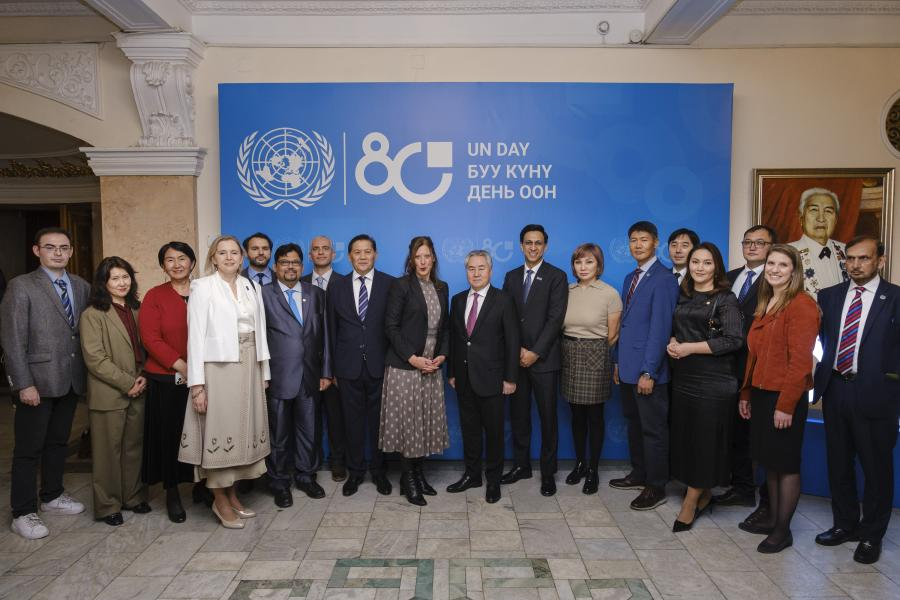
Bishkek hosted an event dedicated to the 80th anniversary of the UN (24 October).
CIS. Kyrgyzstan supported the initiative to declare 2025 the "Year of Mountain Tourism" in the CIS. The country actively participated in multilateral cooperation, contributing to economic, humanitarian and integration ties.
Delegations of Kyrgyzstan participated in the following meetings: (1) Council of Heads of Government Summit (Dushanbe, 5 June; Мinsk, Belarus, 29 September); (2) CIS Foreign Ministers Council Meeting (Almaty, 11 April; Dushanbe, 9 October); (3) 15th meeting of the Tourism Council of the CIS member states (Sochi, Russia, 28 May); (4) meeting of the WG of the Council for Cooperation on Education of the CIS countries (Minsk, 24 September); (5) Informal summit of the leaders of the CIS countries (St. Petersburg, 21-22 December).
SCO. Delegation of the Kyrgyz Republic took part in: (1) the 43rd meeting of the Council of the SCO RATS (Tashkent, 7 March); (2) scheduled meeting of the Council of National Coordinators of the SCO Member States (Beijing, China, 23 June); (3) the 25th Council of Heads of SCO Member States and the SCO Plus Meeting (Tianjin, China, 1 September), where the chairmanship was transferred from China to Kyrgyzstan; (4) the 24th Meeting of Ministers of SCO Member States responsible for foreign economic and foreign trade activities (Vladivostok, Russia, 6 September).
Sources
Official sites of the: President, Parliament, Ministry of Foreign Affairs, Ministry of Justice, Ministry of Water Resources, Agriculture and Processing Industry, Ministry of Finance, Ministry of Energy, Ministry of Natural Resources, Environment and Technical Supervision, Ministry of Emergency Situations, Water Resources Service, Center for Emergency Situations and Disaster Risk Reduction, Permanent Mission of the KR to the UN, National Electric Grid of Kyrgyzstan.
Information agencies: kabar.kg, knews.kg, akchabar.kg
Development and support
Scientific-Information Center ICWC