Events
Workshop “Regional Center of Excellence on Nexus Approach in Central Asia: from Concept to Partnership”
17 February 2026
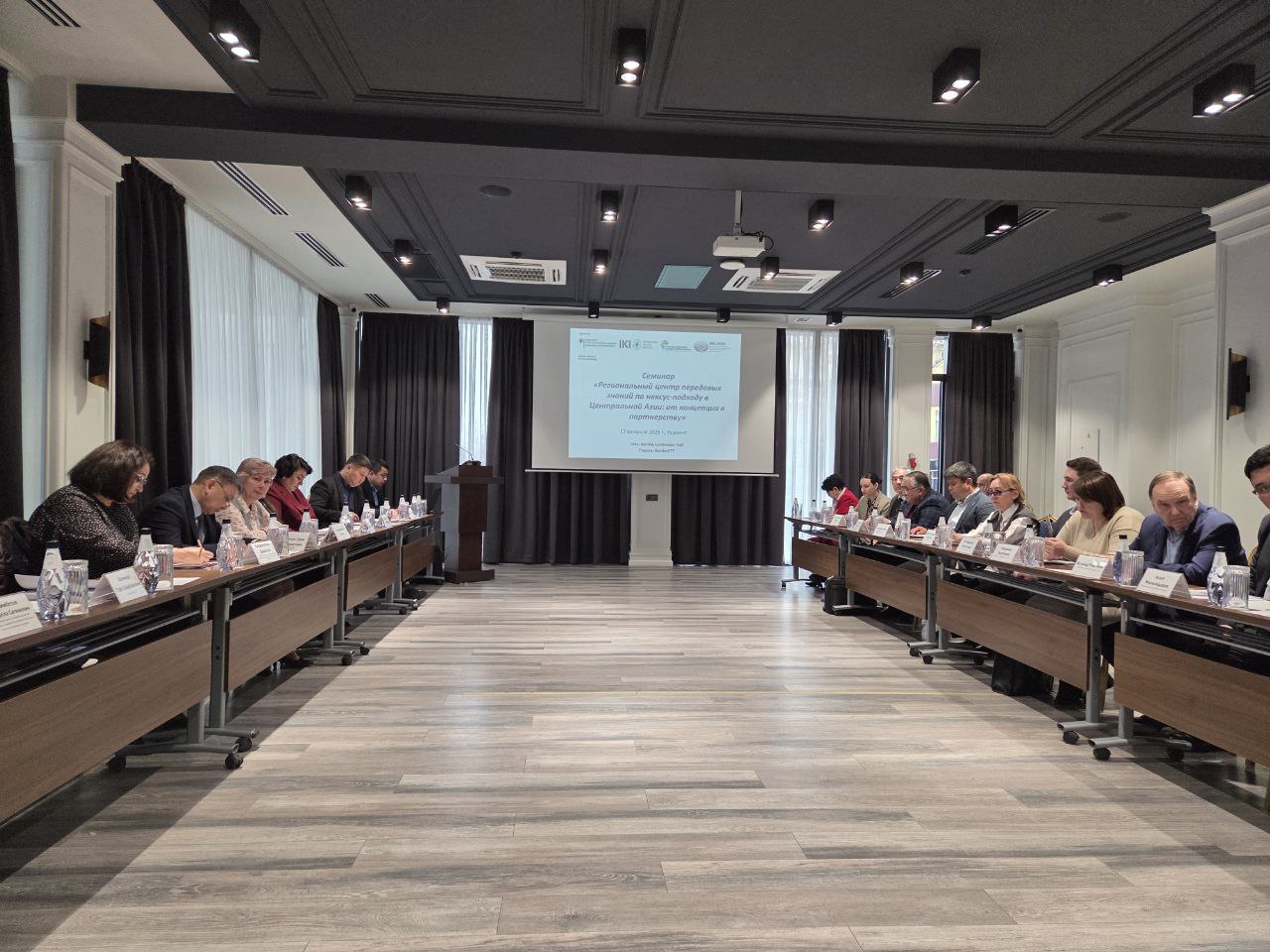
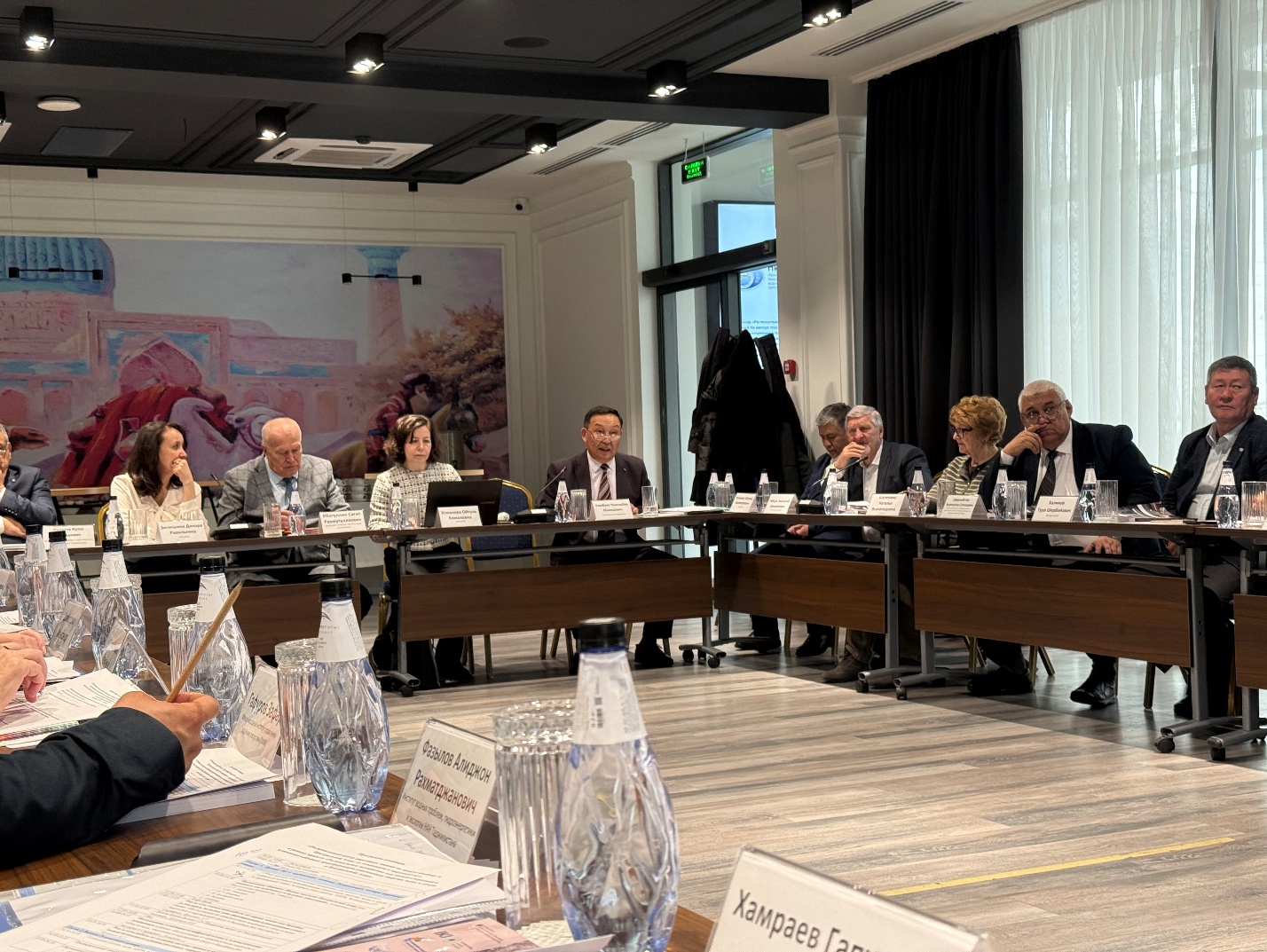
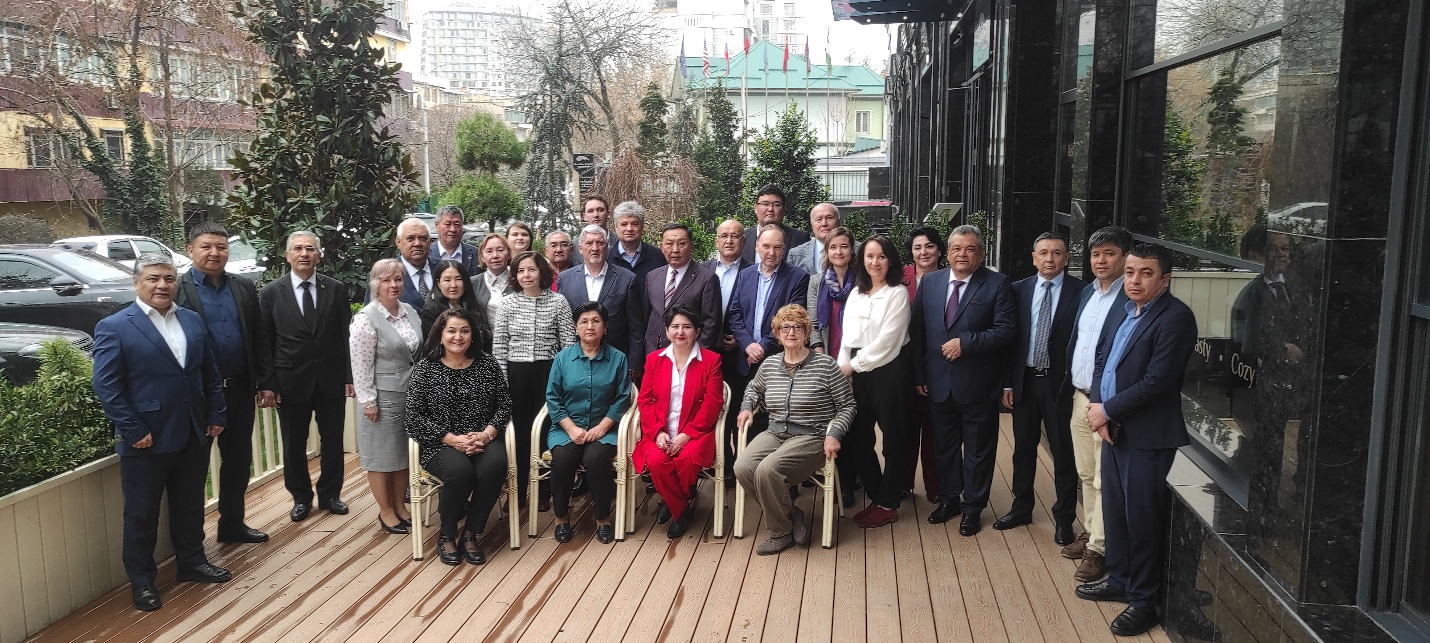
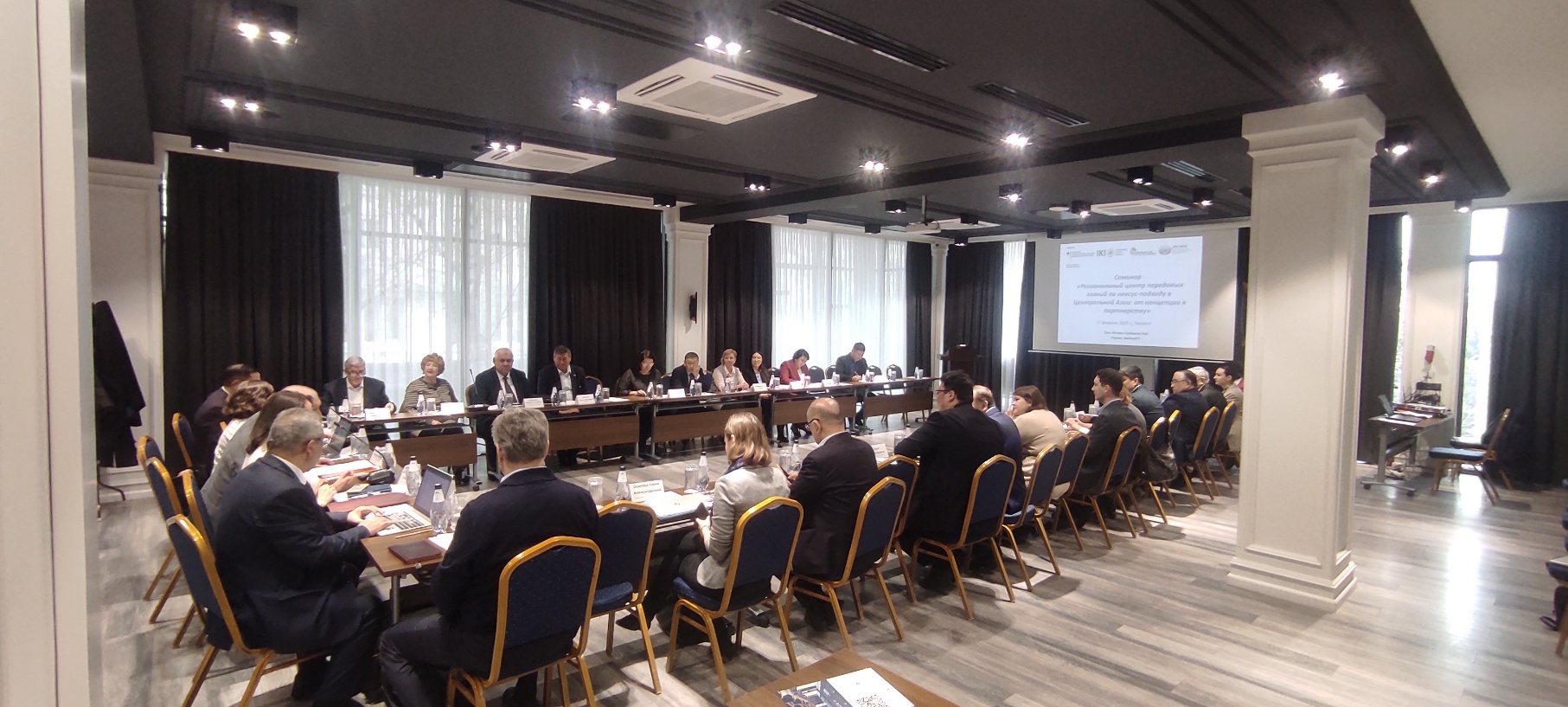
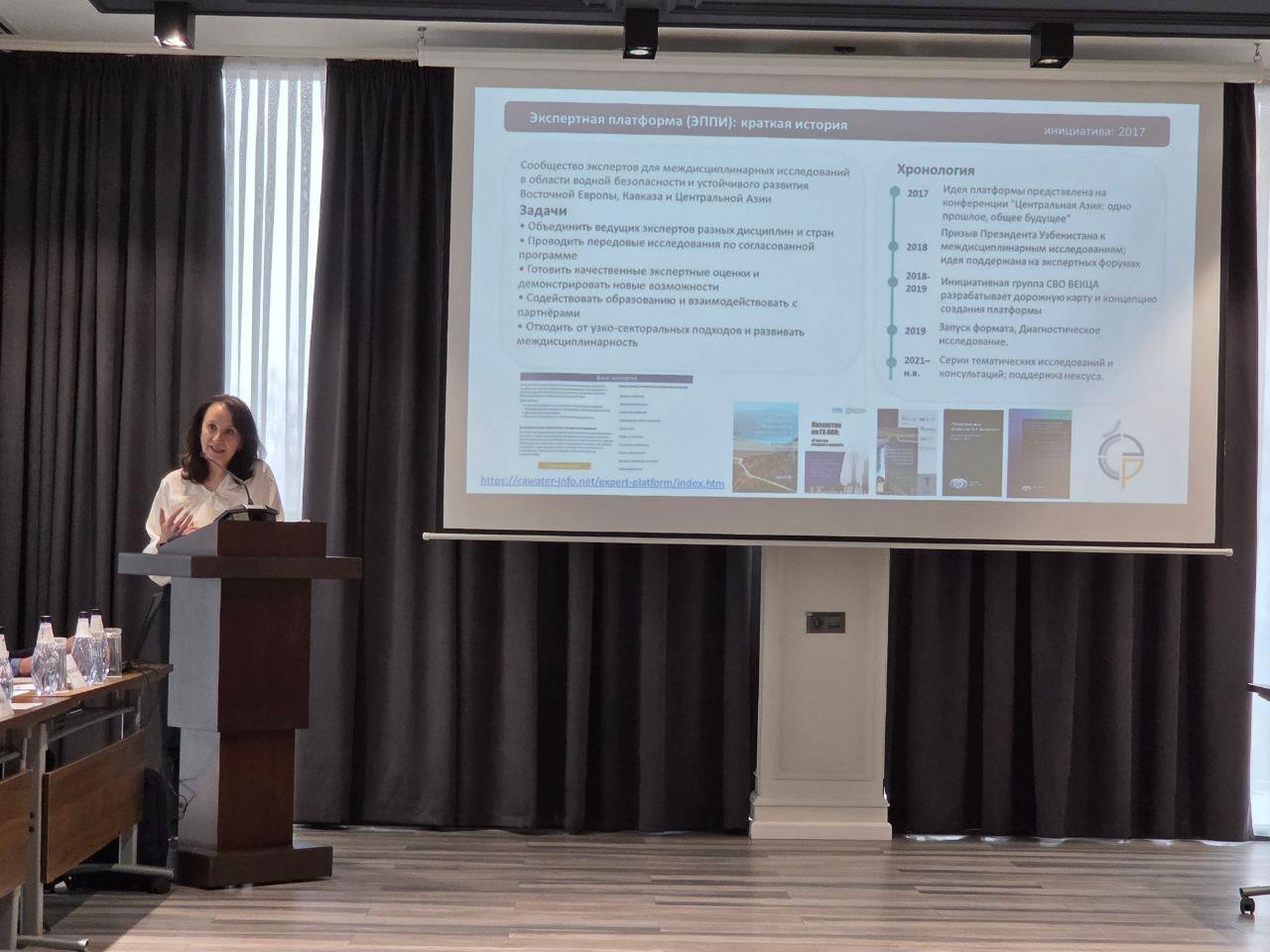
On 17 February 2026, a workshop “Regional Center of Excellence on Nexus Approach in Central Asia: from Concept to Partnership” was held in Tashkent. The event was organized by SIC ICWC within the framework of the International Climate Initiative (IKI) project “Regional Mechanisms for a Low-Carbon and Climate-Resilient Transformation of the Energy-Water-Land Nexus in Central Asia.” The workshop was held under the auspices of the Expert Platform on Water Security, Sustainable Development and Future Studies. The Platform’s Coordinator, S.R. Ibatullin, provided overall leadership and substantive guidance to the workshop.
The event brought together experts in water, energy, agriculture, and ecology from Central Asian countries, representatives of research and analytical centers, project partners, and young researchers.
Today, Central Asia faces increasing impacts of climate change, growing economic and population demands, and mounting pressure on natural resources. These processes are interconnected and require an integrated management approach. The nexus approach, which considers water, energy, and land as a single system, enables the development of more coherent and sustainable solutions that take into account environmental, social, and economic aspects of development.
The discussions focused on the idea of establishing a sustainable partnership based on the Expert Platform on Water Security, Sustainable Development and Future Studies and the ICWC Regional Training Center, aimed to contribute to scientific evidence-based decision-making on water, energy, and land nexus.
During the first session of the workshop, Dinara Ziganshina, Director of SIC ICWC, briefed participants on the IKI project and the results of analytical work. Particular attention was paid to presentation of the publication “Water Heritage of Central Asia: Its Value for Present and Future Generations.” The publication views water heritage not only as evidence of the past but also as a source of practical knowledge that can contribute to more sustainable development models in the future.
SIC’s experts presented results of the research on the ecosystems of the Amu Darya River basin, followed by a screening of the film “From the Pamir Heights to the Amu Darya Lower Reaches” (Z. Yarullina). They also presented work on assessing infrastructure resilience to climate change (A. Dolidudko) and on developing a system for assessing and monitoring water security within the administrative territories of the Aral Sea basin (Sh. Muminov).
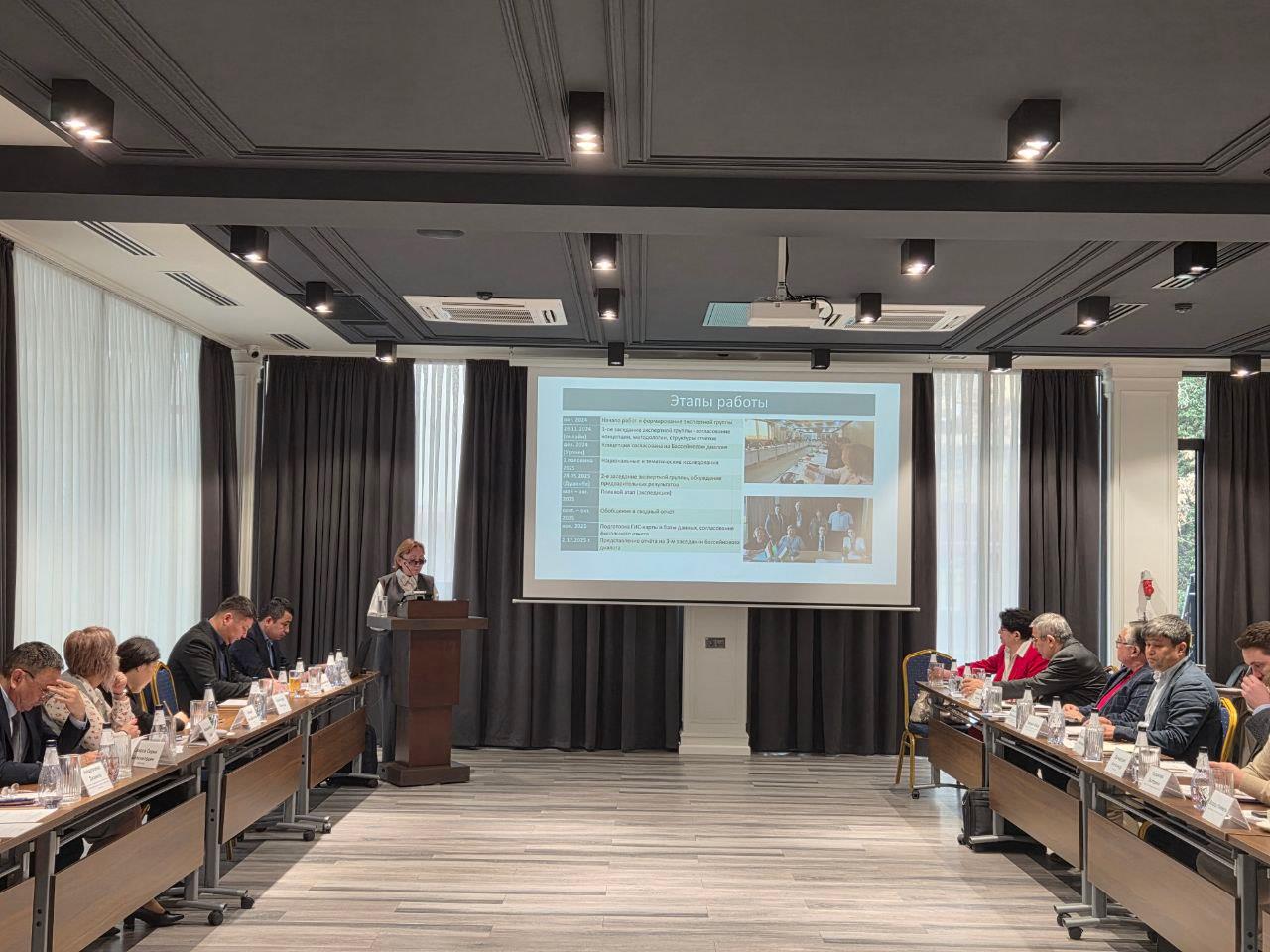
The second part of the workshop focused on discussing the future partnership and its key thematic areas, presented by Expert Platform’s Coordinator S.R. Ibatullin. Experts agreed that establishing such a partnership is both timely and in demand. It was emphasized that the Platform should promote the consolidation of efforts by scientists and practitioners to address complex regional challenges, particularly adaptation to new climatic conditions. Participants underlined that the nexus approach requires the integration of expertise from various fields — from water and energy to agriculture and environment. They also noted that communication between research institutions and experts in the region remains insufficient.
Engagement of youth and educational institutions was another important topic of discussion. Representatives of some regional universities participated in the workshop. The President of the Kazakh-German University, V. Rommel, presented an initiative on the Nexus institute. It was emphasized that the development of a new generation of experts should begin at the university level and be accompanied by practical research activities. Participants also stressed the need to create incentives for the professional growth of young experts and for capacity building. At the same time, it was highlighted that within the framework of the partnership it is important not to duplicate efforts but to build complementary cooperation, combining the scientific, educational, and analytical potential of existing institutions.
The workshop was therefore a crucial step, moving from conceptual discussion to the creation of practical mechanisms for partnership, and laying the groundwork for future collaboration.