
Popular and informative articles about water

Facts about water and agriculture

July 11th, 2009 by Erkin

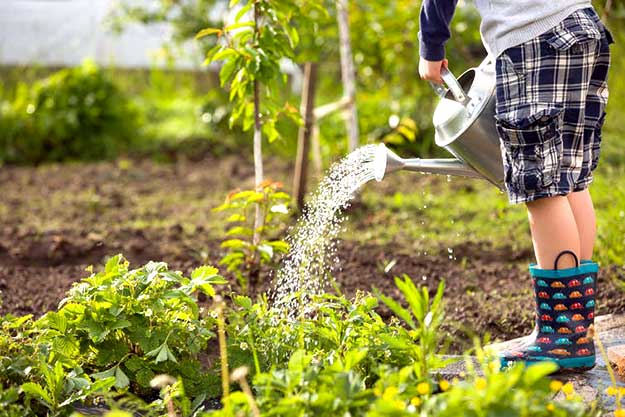
Developed countries account for a quarter of the world’s irrigated area (67 million hectares). Annual growth of irrigated area peaked 3% in the 1970s and dropped down to only 0.2% in the 1990s

Agriculture

In Asia, almost 84% of the water withdrawal is used for agricultural purposes, compared to 71% for the world

The Indian subcontinent and Eastern Asia have the highest level of water withdrawal for agriculture with 92% and 77% respectively
Read the rest of this entry »

Posted in Facts and figures | No Comments »

Unece water convention guide now available in six languages

July 11th, 2009 by Erkin

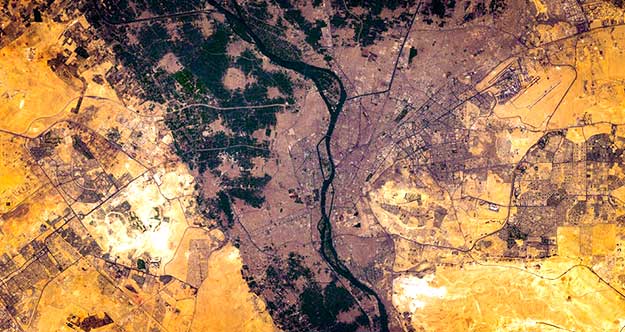
The guide explains how the Convention on the Protection and Use of Transboundary Watercourses and International Lakes helps countries to curb water pollution, restore and conserve water-related ecosystems, prevent conflicts over scarce resources, and ensure that international rivers are well managed so that future generations, too, will be able to extract clean water from them.

water_unece

The Convention was recently amended to enable UN Member States not members of the UNECE to sign up to it and benefit from the experience acquired in UNECE. To raise awareness about the Convention around the globe, this guide has been translated into all the official languages of the United Nations with the help of the Environment Ministries of Italy, Spain and Switzerland.
Read the rest of this entry »

Posted in Facts and figures | 9 Comments »

Facts and figures about the Aral Sea

July 9th, 2009 by Erkin

The Aral Sea Basin is situated between 55°00’ E and 78°20’ E and between 33°45’ N and 51°45’ N.

The Aral Sea Basin has a total area of 2.7 million km2 and it is shared by seven countries: Afghanistan, Kazakhstan, Kyrgyzstan, Tajikistan, Turkmenistan, Uzbekistan and the Islamic Republic of Iran.

aral_sea

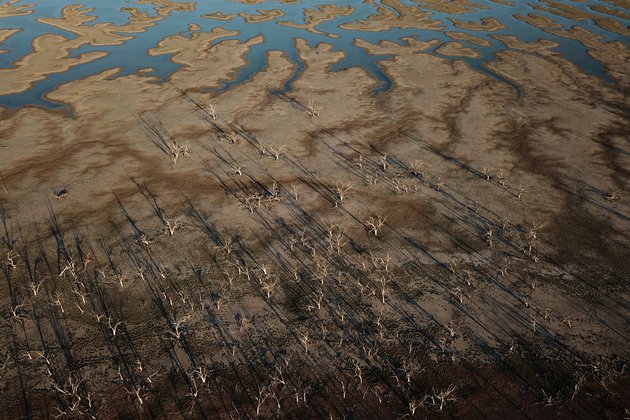
The Aral Sea was once the world’s fourth largest inland sea. Problems began in the 1960s and 1970s with the diversion of the inflowing Amu Dar’ya and Syr Dar’ya rivers in order to grow cotton on arid land in what was then Soviet Central Asia. Ninety-four water reservoirs and 24,000 km of channels were constructed on these two rivers to support the irrigation of 7 million ha of agricultural land.
Read the rest of this entry »

Posted in Facts and figures | No Comments »

Facts and figures about wetlands

July 9th, 2009 by Erkin

Wetlands include a wide variety of habitats such as marshes, peatlands, floodplains, rivers and lakes, and coastal areas such as saltmarshes, mangroves, and seagrass beds, but also coral reefs and other marine areas no deeper than six metres at low tide, as well as human-made wetlands such as waste-water treatment ponds and reservoirs.

wetland

The Convention on Wetlands is an intergovernmental treaty adopted on 2 February 1971 in the Iranian city of Ramsar. Thus, though nowadays the name of the Convention is usually written ‘Convention on Wetlands (Ramsar, Iran, 1971)’, it has come to be known popularly as the ‘Ramsar Convention’. Its mission is ‘the conservation and wise use of all wetlands through local, regional and national actions and international cooperation, as a contribution towards achieving sustainable development throughout the world.
Read the rest of this entry »

Posted in Facts and figures | No Comments »

Facts and figures about water and migration

July 7th, 2009 by Erkin

Migration is considered one of the defining global issues of the early 21st century, as more and more people are on the move today than at any other point in human history.

migration

The International Organization for Migration (IOM) estimates that now there are about 192 million people living outside their place of birth, which is about 3% of the world’s population. From these migrants, there are at least 25 million environmental refugees.
Read the rest of this entry »

Posted in Facts and figures | No Comments »

« Previous Entries Next Entries »